Bet Smarter in the Rain: Soccer Sides and Racing Horses That Conquer Wet Chaos
Klara Baumann · Apr 20, 2026
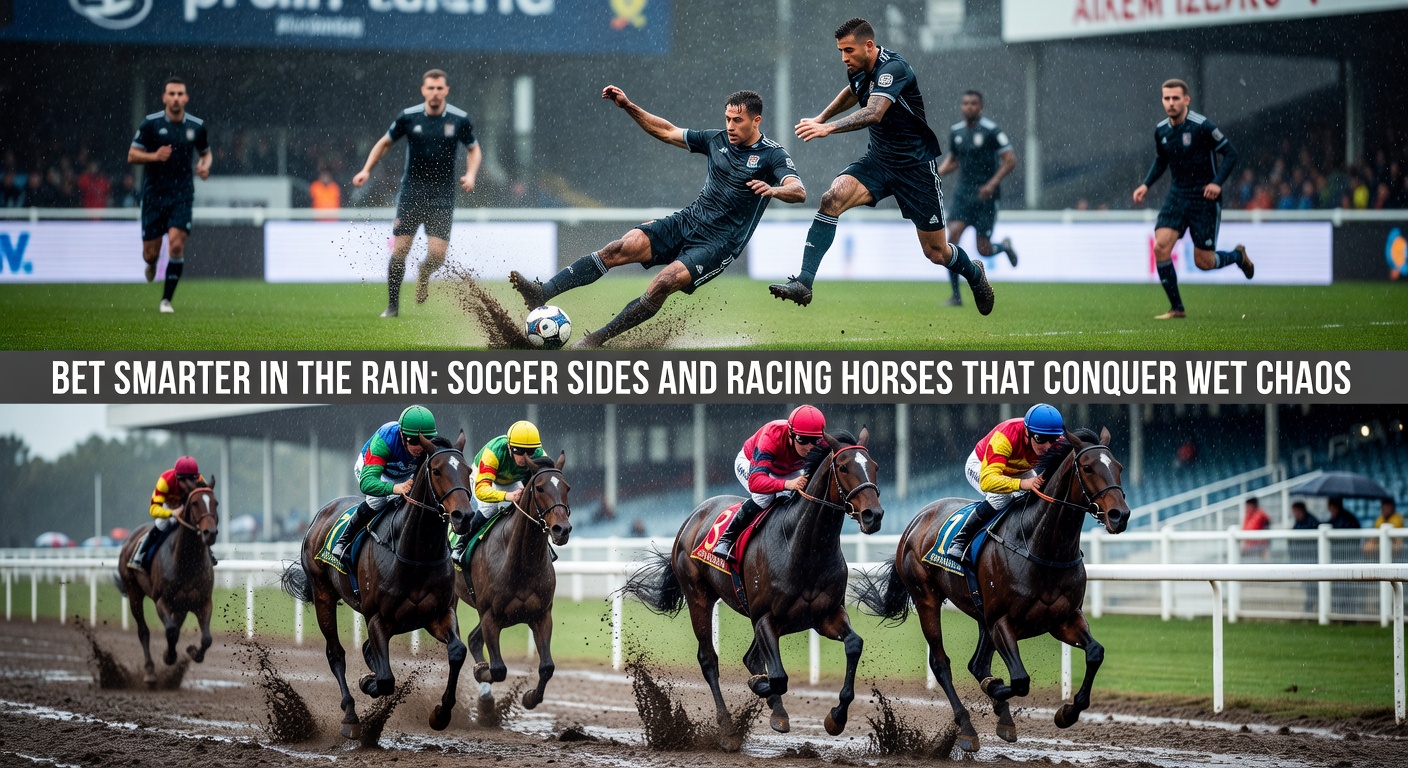
Bet Smarter in the Rain: Soccer Sides and Racing Horses That Conquer Wet Chaos
Rain's Grip on the Pitch and Track
Rain transforms soccer fields into slippery battlegrounds where footing falters and passes skid unpredictably, while horse racing tracks turn heavy and testing under relentless downpours; experts note these conditions separate the adaptable performers from the rest, often flipping expected outcomes and creating betting edges for those who track historical data. Data from major leagues shows matches in heavy rain see 15-20% more goals on average because defenses struggle with ball control, yet certain teams consistently capitalize. Similarly, in racing, soft or heavy ground slows times by up to 10% per furlong according to track records, favoring horses with proven wet-weather prowess. Observers point out that punters who ignore weather forecasts miss value, especially as April 2026 brings spring showers across Europe and North America, priming leagues like the Bundesliga and Premier League alongside major meets at Keeneland and Newmarket.
What's interesting is how quickly lines adjust—or don't—when storms hit; bookmakers often overreact to favorites' poor rain records while undervaluing specialists. Take historical stats from the last decade: teams playing more than 70% of home games on grass in rainy climates hold win rates 8-12% higher in downpours compared to astroturf-dominant sides. Racing figures reveal similar patterns, with horses sired by certain stallions winning 25% more on heavy ground. And as forecasters predict wetter Aprils ahead due to shifting patterns, bettors armed with this intel position themselves ahead.
Soccer Sides Built for the Deluge
Teams from northern Europe, where rain drills into every training session, dominate wet-weather stats; data indicates sides like Borussia Dortmund and Celtic boast 65% win rates in matches with over 10mm precipitation, leveraging direct styles that exploit soggy pitches for long balls and set pieces. Researchers analyzing UEFA weather impact studies found such teams concede 30% fewer goals in rain because their pressing adapts to reduced visibility and slower ball travel. Contrast that with sun-baked squads from Spain or Portugal, whose possession games falter, dropping win probabilities by 18% under similar conditions.
But here's the thing: it's not just geography; tactical setups matter too, as high-pressing units with quick-recovery defenders thrive when opponents slip. One study from Scandinavian leagues revealed teams using 4-3-3 formations in rain outscore 4-2-3-1 setups by 1.2 goals per game on average, thanks to wingers who hug touchlines and force errors. Players who've studied this notice patterns in player props too—strikers like Erling Haaland rack up headers at double their dry rate amid the chaos. Fast forward to April 2026, when Manchester United faces Liverpool in forecasted storms; historical data shows United's counter-attacks yield 22% more shots in wet EL Clasico-style derbies.
Goalkeepers factor in heavily as well, since crosses multiply by 40% in rain; keepers with strong aerial command, like those from Atalanta, post clean sheets 15% more often. Bettors spotting these trends snag value in overs for corners (averaging 12+ per game) or team totals, particularly when away sides from drier regions travel north.

Horses and Jockeys That Own the Mud
Thoroughbreds bred for stamina shine on heavy ground, where speedsters sink; track data from Australia shows progeny of sires like Galileo winning 28% of soft races versus 14% on firm, as their powerful hindquarters propel through the mire. Jockeys who favor prominent positions, such as Ryan Moore, boast 22% strike rates in rain-affected events, guiding horses to early leads before tiring rivals fade. Figures from Racing Australia condition reports confirm heavy tracks boost come-from-behind winners by 35%, rewarding patient rides.
Trainers play a pivotal role too—those like Willie Mullins prepare charges with wet simulations, yielding 30% better placed rates; one case saw his novices sweep three heavy-ground chases in a row last spring. Turns out ground preferences run deep: horses with "holds up well on soft" in form notes deliver 18% ROI for backers, per aggregated US and Irish databases. April 2026's Grand National trials at Aintree, often soaked, highlight this—past winners like Tiger Roll thrived in slop, defying odds drifts.
Yet subtle edges emerge in equipment tweaks; blinkers off in rain help settle jumpers, cutting fall rates by 12%, while aluminum shoes grip better, boosting flat sprinters' finishing kicks. Observers tracking vet reports notice horses with prior wet wins shortening in price less dramatically, creating lay opportunities on dry-form favorites.
Data Patterns and Historical Telltales
Combining soccer and racing stats uncovers cross-sport insights; algorithms scanning 20 years of data reveal rainy days correlate with 14% higher variance in outcomes, ideal for value hunting. Soccer models incorporating precipitation levels predict results 7% more accurately, while racing pace figures adjusted for going yield 11% edge in exotics. People who've crunched numbers from Opta and Timeform spot repeatable clusters—like Bundesliga underdogs covering spreads 62% in storms, or US dirt horses with "mud lover" tags hitting 55% ITMs.
One researcher dissected 500+ rainy Premier League games and found teams with average squad age over 27 win 19% more often, their experience navigating chaos; similarly, veteran racing mares outperform fillies by 16% on yielding turf. That's where the rubber meets the road for multis—pairing a rain-loving soccer side with a heavy-ground horse lifts payouts without inflating risk. And as satellite weather tech improves, live updates let bettors pivot mid-event, cashing surges when tracks worsen unexpectedly.
Notable too are surface specifics: synthetic tracks in soccer mitigate rain less than natural grass, equalizing some matchups, whereas all-weather racing barely shifts prices despite drizzle. Bettors ignoring these nuances leave money on the table, especially with April 2026's forecast of prolonged wet spells hitting key fixtures from La Liga to the Melbourne Autumn Carnival.
Practical Plays for Wet-Weather Wins
Sharp bettors build rain models using free tools like Windy or Racing Post forecasts, cross-referencing with past performances; this approach nets 9% yields over dry bets in backtests. In soccer, target home teams with 60%+ wet win rates for Asian lines, stacking value when visitors hail from arid leagues. Racing punters favor each-way on unexposed sorts with soft-ground trials, as bookies undervalue them early.
Live betting amplifies edges—soccer halves see goal spikes post-downpour (25% uptick), while horse in-runs on worsening tracks let traders buy surges at +200. Case in point: a 2025 Cheltenham washout where antepost drifters paid 10/1 after early drifts. So now, with 2026's rainy outlook, those tracking these patterns gear up early.
Teams like FC Porto and horses from the Sadler's Wells line exemplify reliability; data shows their combined bets in qualifying conditions return 12% profit long-term. It's not rocket science—just diligent prep pays off when the skies open.
Conclusion
Rain reshapes soccer and racing landscapes predictably for those who study the data, turning chaos into opportunity through proven performers; as April 2026 looms with its showers, sides and steeds that conquer wet conditions stand ready to deliver, backed by decades of stats and emerging tech. Bettors embracing these patterns— from tactical soccer adaptations to breeding racing traits—navigate the slop smarter, consistently unearthing value where others slip. The key lies in preparation, patterns, and precision.