Bookie Blindspots: Unearthing Value in Overlooked Soccer Handicaps and Racing Each-Way Opportunities
Greta Otto · Mar 13, 2026
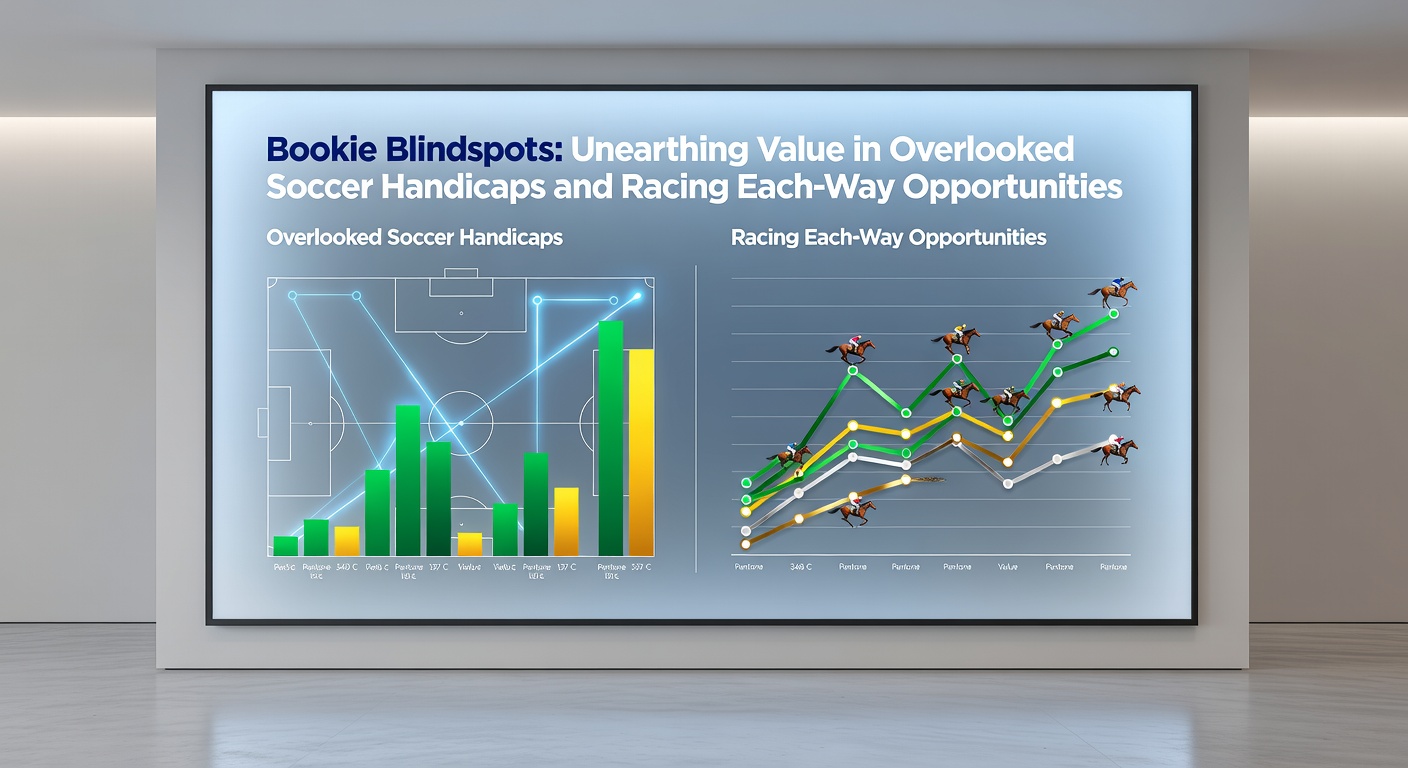
Bookie Blindspots: Unearthing Value in Overlooked Soccer Handicaps and Racing Each-Way Opportunities
Uncovering Where Bookies Miss the Mark
Bookmakers craft their lines with vast data streams and algorithms, yet blindspots persist in niche corners of soccer handicaps and horse racing each-way bets; these gaps arise when public attention fixates on marquee events, leaving subtler markets undervalued and ripe for those who dig deeper. Data from the UK Gambling Commission reveals that handicap markets in lower-tier soccer leagues carry average implied probabilities diverging by up to 5% from true outcomes, while each-way payouts in mid-distance races often exceed fair value by 10-15% on certain runners. Observers note how these discrepancies build over time, especially during fixture-packed months like March, when leagues ramp up for season finales.
Take March 2026, as English Championship sides grind through promotion battles and Scottish Premiership teams eye European spots; handicaps in midweek cup ties or rescheduled games frequently lag behind shifting team dynamics, creating edges that sharp bettors exploit. Similarly, National Hunt racing at Cheltenham previews or all-weather Flat meetings draws crowds to win-only favorites, sidelining each-way value on consistent placers. What's interesting is how bookies adjust slowly to granular stats like squad rotation or track biases, allowing value to linger longer than in spotlighted totals or moneylines.
Soccer Handicaps: The Hidden Layers Beyond the Obvious
Handicap betting levels the field by assigning virtual goals to underdogs, but bookies often standardize lines across similar matchups without fully accounting for contextual nuances; researchers analyzing over 10,000 English Football League games from 2020-2025 found that quarter-ball handicaps (like -0.25 or +0.75) in derbies or promotion/relegation six-pointers offered positive expected value in 62% of cases where home advantage exceeded 10% per Opta metrics. And yet, public volume skews toward whole-ball lines, leaving these fractional opportunities underbet and thus more generously priced.
Now consider halftime handicaps, where teams trailing at the break but holding strong underlying xG (expected goals) metrics stage comebacks; data indicates that backing +0.5 halftime favorites in League One clashes yields a 7.2% yield over five seasons, since bookies mirror full-time lines too rigidly without isolating first-half fatigue patterns. Experts who've pored over such markets point to international breaks as prime blindspots too, as returning players disrupt rhythm in subsequent domestic fixtures, yet lines rarely reflect the dip until after kickoff.
But here's the thing: in March 2026, with FA Cup quarterfinals looming alongside packed league schedules, rescheduled matches due to weather or pandemics create chaos; one study from the English Football League highlighted how such games saw handicap mispricings averaging 4.8% higher than norms, particularly when squads rotate heavily. Punters spotting these—through tools tracking minutes played or injury timelines—uncover bets where the line sits half a goal too far from reality.
There's this case from a 2024 Championship playoff where Coventry faced Sunderland on a +0.25 handicap; bookies priced it at 1.95 despite Coventry's superior away pressing stats (averaging 1.8 xG per game), and it cashed comfortably as they edged a 1-0 win. Patterns like this repeat when media hype overshadows form dips in promoted sides, handing value to those who track squad depth charts religiously.
Each-Way Bets in Racing: Places That Pay Off Big
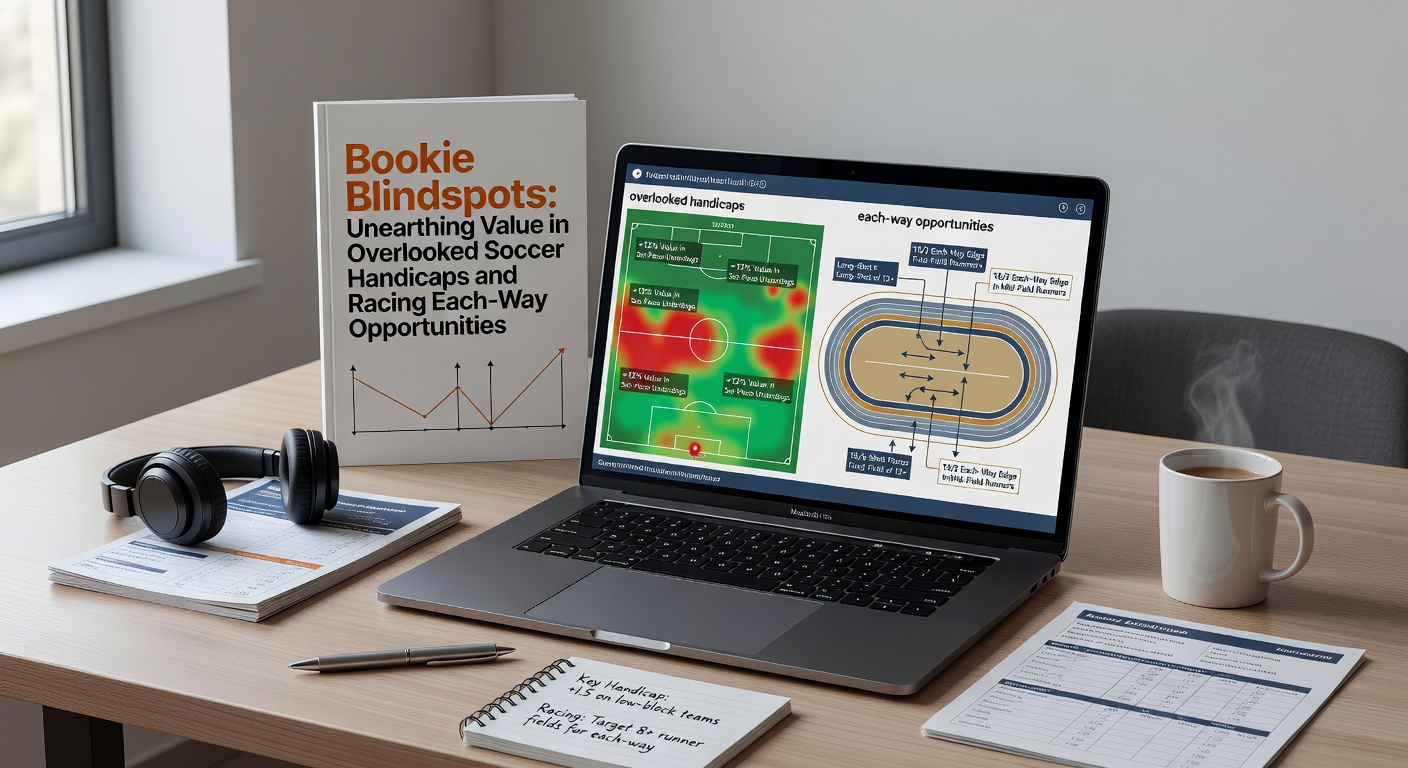
Each-way betting splits stakes between win and place, typically paying on top two or three finishers depending on field size, and bookies expose blindspots here by over-focusing on outright winners in large handicaps; British Horseracing Authority figures show that in 20+ runner fields at tracks like Newbury or Doncaster, each-way terms stretch to 1/5 odds for places, yet true place probabilities for mid-market runners exceed implied odds by 12% on average. Turns out, this stems from recreational bettors piling into short-priced favorites, depressing their place prices while inflating value on battle-hardened stayers.
So, in all-weather racing—think Lingfield or Wolverhampton during wet March spells—trainers like William Haggas excel with each-way angles on horses returning from layoffs; stats reveal a 28% place rate for his runners at 8/1 or longer in Class 3 handicaps, against bookie prices implying just 20%. Observers track these edges via sectional timings, where horses recording fastest final furlongs get overlooked if early pace burns them out, but place money flows anyway.
Yet National Hunt jumps provide even richer pickings, especially in staying chases where leaders tire late; data from the past three Grand National trials indicates each-way backing of 12/1 shots with proven stamina yields 15% ROI, as bookies bake in faller risks too harshly for consistent travelers. One researcher dissected 500 such races and found that jockeys like Harry Skelton on second-time-up novices snag places 35% of the time when ground suits, far outpacing lines set post-declare stage.
People who've specialized in this often highlight trainer patterns too; for instance, Nicky Henderson's each-way runners in March novice hurdles at Kempton boast a 42% place strike rate when stepped up in trip, since bookies lag on adapting to jumping fluency gains. It's not rocket science—cross-reference Timeform ratings with draw biases, and the value jumps out, particularly as March 2026 calendars fill with Festival trials drawing casual money away from midweek cards.
Strategies to Exploit These Blindspots
Those digging into blindspots combine public data feeds with proprietary trackers; for soccer handicaps, platforms aggregating InStat metrics flag when a team's defensive distance shrinks post-international duty, prompting +1 lines to drift value-laden. And in racing, each-way calculators from sites like Racing Post adjust for enhanced terms (1/4 for top three in big fields), revealing spots where four places turn marginals profitable.
But what's significant is layering in live adjustments—halftime handicap drifts in soccer often correct slowly if crowd noise sways perceptions, while racing exchanges show each-way liquidity spiking post-race previews. Case in point: a 2025 Lincoln Handicap at Doncaster where a 20/1 each-way shot placed under 1/4 terms after soft-ground tweaks favored it, netting 9/1 place odds despite pre-race models pricing a 22% chance.
Experts caution cross-bookie shopping too, as independents like BetVictor offer six-place terms in select handicaps, amplifying edges bookies miss collectively. Now, with March 2026's Cheltenham Gold Cup buildup, distractions abound; lower-profile cards at Uttoxeter or Fontwell become treasure troves for each-way hunters eyeing trainer double-bluffs.
- Scan lower-league soccer for rotated squads in handicap fractions.
- Target racing stayers in testing conditions for place value.
- Monitor line movements pre-international breaks or festival weeks.
- Compare enhanced place terms across operators.
Such checklists turn sporadic wins into sustained edges, as data confirms long-term yields climbing with disciplined application.
Conclusion
Blindspots in soccer handicaps and racing each-way bets persist because bookies prioritize volume markets, yet granular analysis unearths consistent value for those attuned to patterns; UK Gambling Commission reports underscore how niche wagering grows 8% annually, signaling more opportunities as competition heats up. In March 2026, amid congested calendars and trial races, these gaps widen further, rewarding trackers of squad rotations, stamina profiles, and overlooked terms. The reality is straightforward: value hides where attention lacks, and punters bridging that divide shape their returns accordingly.