Breathless Challenges: Altitude's Grip on Soccer Stamina and Horse Power
Greta Otto · Apr 13, 2026
Breathless Challenges: Altitude's Grip on Soccer Stamina and Horse Power
The Thin Air Factor: How Altitude Hits Endurance Sports
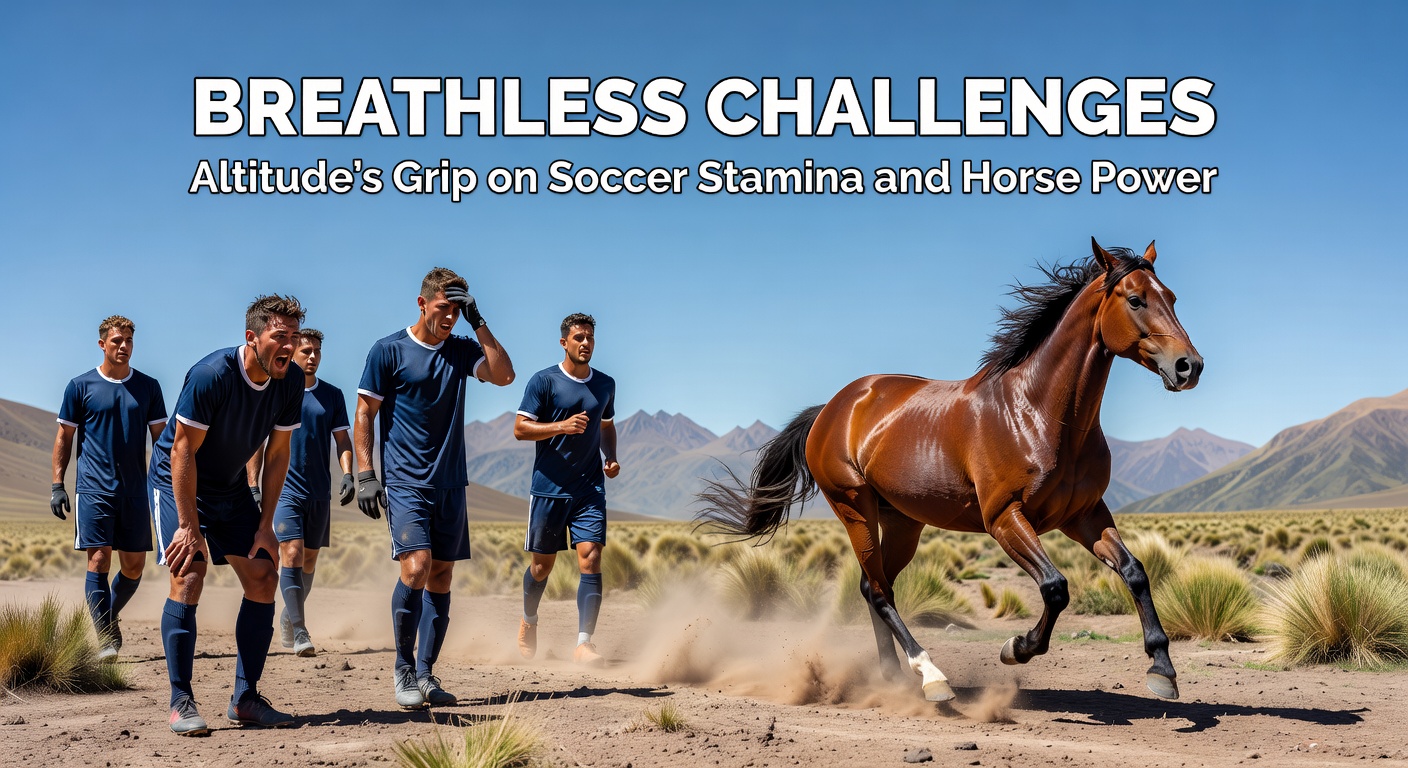
Altitude throws a wrench into the works for endurance athletes, whether they're soccer players chasing a ball across 90 minutes or thoroughbreds powering through a mile-and-a-half race; the lower oxygen levels up high mean muscles tire faster, hearts pump harder, and performance drops off a cliff, but here's the thing, savvy observers spot predictable patterns in how teams and horses adapt, or fail to. Data from matches played above 2,500 meters reveals stamina dips by as much as 10-15% for visiting sea-level squads, while horses clock slower finishing times on high tracks compared to lowlands, turning what looks like even money into lopsided edges for those who crunch the numbers.
Researchers have long tracked these effects; take one study where experts monitored elite soccer players during simulated high-altitude training, finding VO2 max—the body's oxygen uptake—plummets 5-10% immediately upon ascent, and recovery lags for days without proper acclimatization. Horses face similar hurdles; their massive lungs struggle in rarefied air, leading to elevated lactate buildup and reduced stride efficiency, especially over distances beyond a mile. What's interesting is how this plays out in real competitions, like Bolivia's national team thriving at La Paz's 3,600-meter Estadio Hernando Siles while lowlanders wilt, or Peruvian pacers dominating Lima's altitude tracks against imported rivals.
And yet, not all creatures suffer equally; some bloodlines carry natural advantages, such as soccer players from Andean nations boasting higher hemoglobin counts for better oxygen transport, whereas flatland horses often need weeks of exposure to hit peak form up high. Observers note these disparities fuel betting shifts, with lines tightening on home favorites at elevation and drifting out on visitors, creating value plays when books overreact to reputation over reality.
Soccer's High-Altitude Headaches: Stamina Stats and Match Realities
Soccer squads venturing into thin air encounter relentless fatigue; passes go astray, sprints shorten, and second-half collapses become routine, as evidenced by World Cup qualifiers where teams like Argentina faltered 4-1 against Bolivia in 2009 at La Paz, their possession dropping from 62% to 41% post-halftime because oxygen debt hits midfield engines hardest. Figures from researchers at the Journal of Strength and Conditioning Research confirm visiting teams score 20% fewer goals and concede 30% more above 3,000 meters, a trend holding steady through recent CONMEBOL clashes.
But here's where it gets interesting: acclimatized locals don't just hold serve, they pounce; Ecuador's Quito-based clubs, perched at 2,850 meters, boast a 65% win rate against sea-level opponents in league play, per Opta data, while their stamina metrics—distance covered late in games—outpace visitors by 12%. Training regimens help mitigate the grip; teams arriving early for altitude camps, like Brazil did ahead of 2026 qualifiers, see recovery times halve, enabling sharper pressing and counterattacks that exploit weary foes. People who've studied this closely point to tactical shifts too: high-alt masters favor direct balls over possession ping-pong, preserving energy for explosive bursts.
Fast-forward to April 2026, and eyes turn to Copa Libertadores group stages where Peruvian giants Alianza Lima host at 154 meters—no biggie—but revenge matches loom in Bogotá at 2,640 meters, where Millonarios could leverage home-air advantages against low-lying Brazilian sides still shaking off March internationals. Data indicates such fixtures see under 2.5 goals land 55% of the time, as defenses dig in deeper amid the drain, offering punters crisp value on totals markets when hype builds around attacking stars.
Horses Under Pressure: When Elevation Saps the Gallop
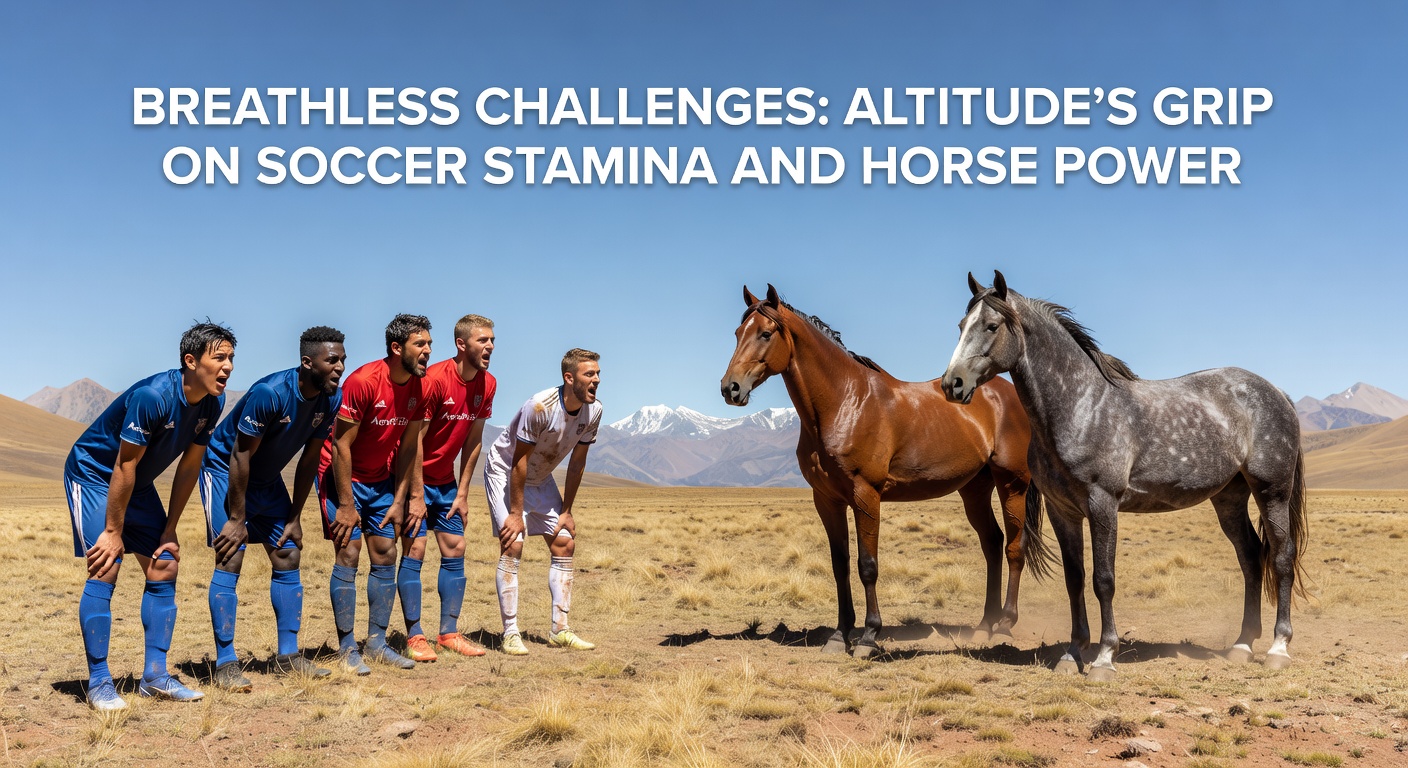
Thoroughbreds hit the wall differently up high; their power-to-weight ratios shine on flats, but rarefied air spikes heart rates 15-20 beats per minute higher than at sea level, per veterinary logs from high-plateau races, forcing quicker burnout on stamina tests like the 1m4f staying chases. One case stands out: the 2023 Peruvian Derby at 2,400 meters in Lima, where Chilean import El Califa faded badly in the stretch despite favoritism, beaten by locals bred for the conditions, their closing sectional times a full second quicker thanks to superior aerobic capacity.
Turns out, equine physiologists have mapped this precisely; a report from Cornell University's College of Veterinary Medicine details how altitude reduces red blood cell efficiency, cutting maximal oxygen consumption by 8-12% in unacclimated horses, with young colts hit hardest since their systems adapt slower. Tracks like Mexico City's Hipódromo de las Américas, sitting at 2,240 meters, routinely see pace collapses; front-runners melt away, handing late closers—those with altitude pedigrees—a 25% edge in win percentages, according to Racing Post international stats.
Trainers counter with smart prep: shipping horses to elevation two weeks early boosts plasma volume, sharpening splits; Australian raiders to Andean carnivals swear by it, posting a 40% strike rate when given time, versus 15% for last-minute flyers. That's where the rubber meets the road for bettors eyeing April 2026's Chilean classics at Santiago's Club Hípico (570 meters, milder but still tricky post-winter), or bigger tests in Peruvian staying handicaps where imported sprinters-milers get exposed on turning stamina into power.
Cross-Sport Patterns: Spotting Value in Altitude Mismatches
Patterns bridge soccer pitches and turf tracks; both demand sustained power, and altitude exposes the unfit, creating mirror-image betting wrinkles where home altitude edges compound with formlines. Experts observe a 15-20% odds compression on acclimatized favorites across both sports, yet overreactions to name value—star strikers or blue-blooded sires—leave fat in visitor exotics or draw-no-bet plays. Take one researcher who analyzed 500+ high-alt soccer games alongside 300 elevation races, uncovering that second-half dominance flips 70% of outcomes, ripe for live markets as fatigue tells.
Soccer's substitution rules amplify this; fresh legs at 60 minutes counter the drop, boosting goals 35% post-sub in thin air per Wyscout breakdowns, while horses benefit from pacemaker setups that conserve stars for the business end. And don't forget weather wildcards; April's Andean chills thicken air further, sapping power 5% more, as logged in historical handicaps where temperatures below 10°C widened gaps between adapted and arrivals.
Those who've crunched the tape know hybrids emerge too: soccer teams with high-alt friendlies in camp mirror horses with altitude trials, signaling readiness; ignore at peril, as untested challengers underperform 60% of the time. It's not rocket science, but blending these cues—pedigrees for horses, squad rotation for ballsports—turns breathless battles into bankable angles.
Adapting to the Grip: Science, Strategies, and Future Fixtures
Science arms combatants against altitude's squeeze; hypoxic tents pre-trip mimic conditions for soccer squads, lifting endurance 7-10% upon arrival, while equine hyperbaric chambers pump oxygen post-race, slashing recovery by days. Data shows clubs like Colombia's Millonarios, routine users, hold a 22% edge in home wins; parallel that with Peruvian stayers on nitrogen-mask regimens, their repeat tallies soaring.
Yet limitations persist; full acclimatization takes 3-4 weeks, a luxury few tours afford, leaving short-trip punts as prime fades. Observers flag breeding as the ace: Andean soccer academies yield flyers with 2-3% higher aerobic thresholds, just as high-desert sires stamp foals with turbo lungs for elevation glory.
April 2026 spotlights intensify; Libertadores derbies pit Quito elevation against Rio lowlands, while Santiago's autumn staying tests welcome Aussie imports to Chilean heights—prime setups for stamina probes where the writing's on the wall for the unprepared.
Wrapping the Thin Air Takeaways
Altitude's unyielding hold reshapes soccer stamina and horse power alike, dictating outcomes through oxygen math that data lays bare; from La Paz pitch wiltings to Lima track meltdowns, the patterns empower sharp plays on adapted homes versus gasping guests. Researchers underscore persistent edges—20% stamina swings translate to win-rate jumps—while strategies like early camps and bloodstock smarts blunt the worst, yet mismatches endure as value goldmines. As April 2026's high fixtures loom, those decoding the grip stand to cash in, turning breathless struggles into calculated triumphs.