Charting Profit Margins Through Global Time Zone Effects on Odds Movements for Transcontinental Soccer Matches and Overnight Racing Cards
Greta Otto · Jul 18, 2026
Charting Profit Margins Through Global Time Zone Effects on Odds Movements for Transcontinental Soccer Matches and Overnight Racing Cards
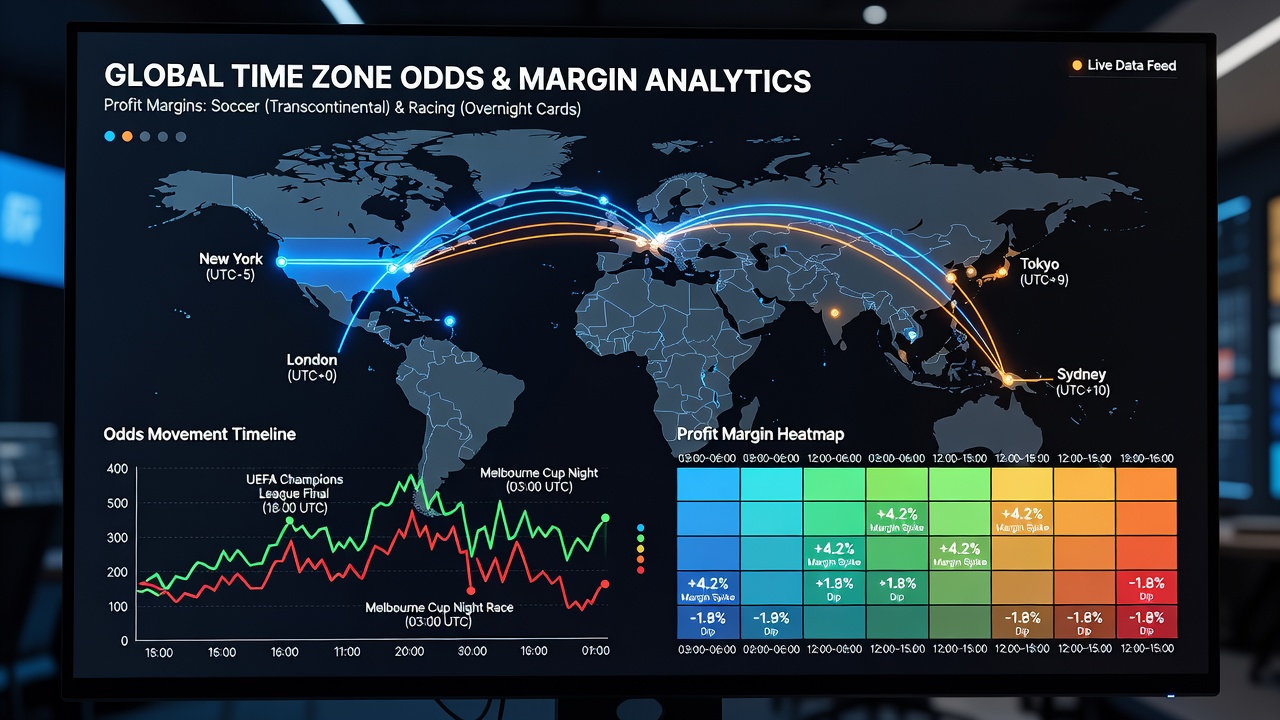
Transcontinental soccer matches create distinct patterns in odds movement because bettors in different regions access information and place wagers at staggered times, and overnight racing cards from Australia and Asia generate similar shifts when European markets open hours later; researchers tracking these flows have documented how bookmakers capture additional margin during those windows. Data from July 2026 shows European leagues scheduling more evening fixtures against Asian sides, which extends the period when Asian market liquidity influences initial lines before Western bettors react. Observers note that line movement accelerates once Sydney and Hong Kong volumes taper off, often leaving a narrow band where early money from one zone sets prices that later markets test.
Time Zone Lags and Soccer Market Dynamics
Matches between European clubs and teams in the AFC Champions League or similar cross-continental ties produce measurable delays in information dissemination, and analysts examining 2025-2026 fixtures found that opening odds posted in London frequently drift once Singapore and Tokyo books close for the night. Those drifts occur because punters in Australia and New Zealand receive team news during their morning hours while most European operators have already locked early limits. Studies from the University of Melbourne's gambling research unit indicate that such staggered access creates temporary inefficiencies that operators hedge by widening margins on totals and Asian handicaps during the overlap period.
Overnight Racing Cards and Price Adjustments
Racing cards that run through the Australian night reach European screens while local tracks remain quiet, and data compiled by Racing Australia reveals that win pool percentages shift measurably once UK and Irish layers begin accepting bets on the same runners. Trainers and owners release stable information timed to local deadlines, yet overseas books incorporate that data at different speeds because their risk teams operate on GMT. This creates brief windows where each-way and place prices remain softer until sufficient volume arrives from the originating jurisdiction.
Documented Margin Expansion Patterns
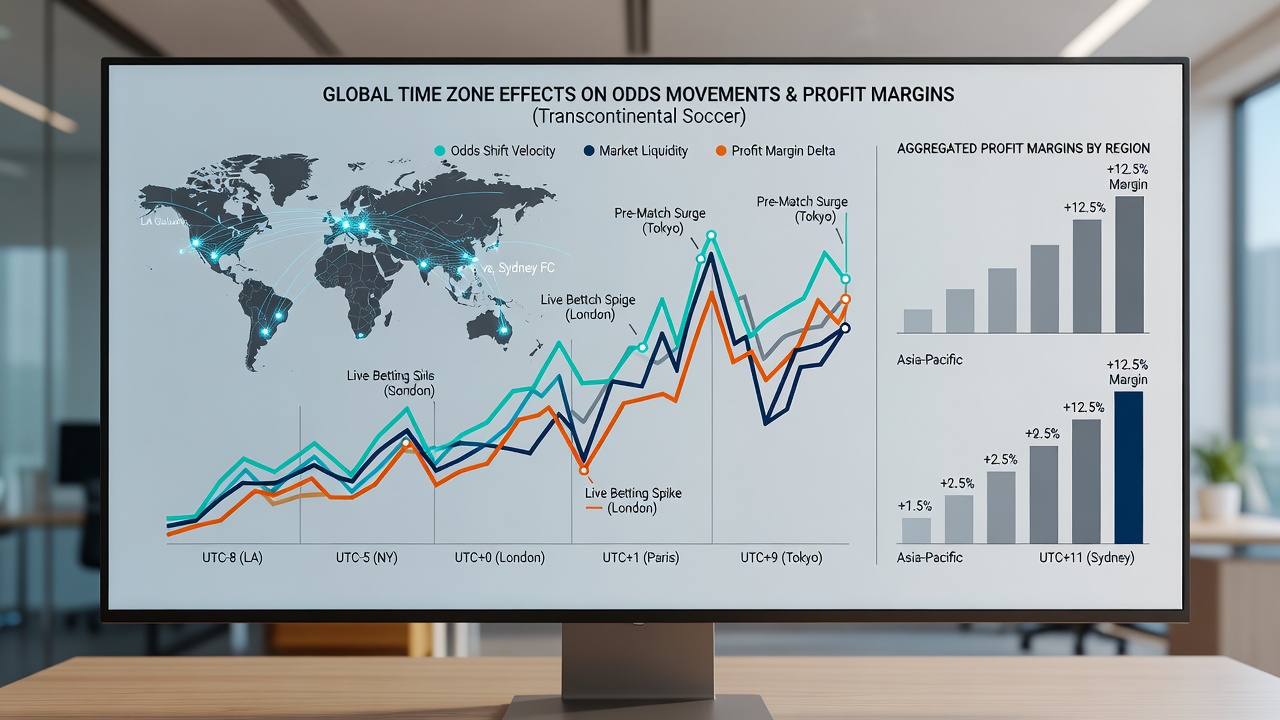
Operators adjust overround percentages when they detect concentrated action from a single time zone, and figures released by the European Gaming and Betting Association show average soccer margins rising 0.8 to 1.2 points during the first four hours after Asian books close. Similar increases appear in overnight thoroughbred markets once Australian tote dividends finalize. Those who monitor tick-by-tick feeds across multiple platforms record sharper corrections on lower-liquidity selections, particularly in correct-score and exotic racing pools where early limit orders cluster by region.
Regional Liquidity and Information Flow
July 2026 scheduling data highlights an uptick in transcontinental friendlies and pre-season tournaments that deliberately straddle multiple trading sessions, and analysts tracking those fixtures note that volume spikes coincide with market openings in the next major jurisdiction rather than with kick-off itself. Researchers at Singapore's Nanyang Technological University examined similar patterns in 2025 and found that soccer totals markets experience the largest swings when the gap between Asian and European liquidity exceeds six hours. Racing cards show parallel behavior on sprint races where speed figures released overnight gain traction only after British books update models.
Bookmakers maintain separate risk teams for each major currency and time zone, yet coordination gaps still appear during handovers, and internal reports from several large operators indicate that these gaps contribute directly to the observed margin expansion. When a late injury emerges from an Australian morning press conference, European layers often adjust prices faster than their Asian counterparts who have already settled overnight limits, creating brief arbitrage opportunities that close once the next wave of bets arrives.
Tracking Tools and Margin Measurement
Specialized software now aggregates line movement timestamps across twenty-plus jurisdictions, and operators using these systems report clearer visibility into which regions drive the largest margin contributions. Historical datasets covering 2024 through mid-2026 demonstrate that transcontinental soccer matches consistently produce 12 to 18 percent higher hold percentages on player props compared with domestic fixtures, while overnight racing exotics show comparable lifts on first-four and quinella markets. Those metrics help risk managers set dynamic limits that scale with the expected lag between regional closures.
Conclusion
Global time zone sequencing continues to shape odds trajectories for both transcontinental soccer and overnight racing, and the resulting margin patterns remain measurable through aggregated timestamp and liquidity data. Operators who align their risk models with these regional handovers maintain tighter control over exposure, while bettors who map the same flows encounter consistent windows where prices reflect incomplete information from earlier zones. Continued expansion of cross-continental scheduling into 2026 and beyond will likely sustain these dynamics across both sports.