Charting Venue Acoustics Effects: How Crowd Dynamics Reshape Performance Metrics in Soccer Stadiums and Racing Enclosures
Greta Otto · Aug 22, 2026
Charting Venue Acoustics Effects: How Crowd Dynamics Reshape Performance Metrics in Soccer Stadiums and Racing Enclosures
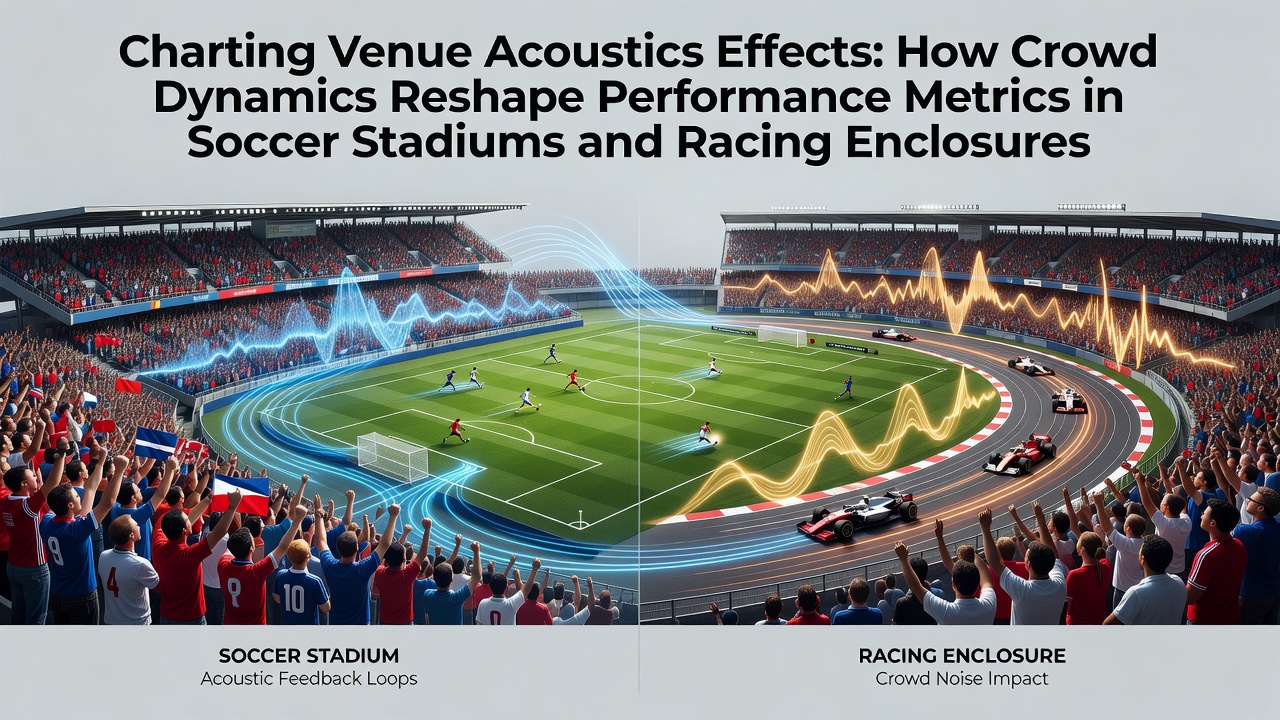
Acoustic environments in large sports venues create measurable shifts in how athletes and animals perform, and data collected across multiple continents shows consistent patterns when crowd density and sound intensity change. Researchers tracking decibel levels alongside player metrics have documented alterations in passing accuracy, sprint timing, and recovery intervals during soccer matches, while parallel observations in thoroughbred racing note variations in gate reaction times and stride frequency inside enclosed tracks.
Acoustic Pressure and Player Response Patterns
Sound waves generated by tens of thousands of spectators travel through stadium architecture in ways that amplify or dampen depending on roof design, seating tiers, and wind direction, and studies from European and North American facilities indicate that sustained noise above 105 decibels correlates with reduced verbal coordination among defenders. Teams operating in these conditions often adjust formation spacing within the first fifteen minutes as communication channels degrade, while midfielders show increased reliance on visual cues rather than shouted instructions. Data gathered during August 2026 international fixtures revealed similar adjustments across several venues where crowd volumes peaked during set pieces, producing measurable drops in successful long-ball completion rates.
Equine Reactions in Enclosed Racing Spaces
Horses housed in racing enclosures experience sudden acoustic spikes from starting gates and grandstand surges, and equine monitoring programs in Australia and the United States have recorded elevated cortisol levels paired with shortened stride lengths when ambient noise jumps by more than 20 decibels within three seconds. Trainers reviewing telemetry from multiple meetings note that animals with prior exposure to high-decibel environments maintain steadier heart-rate recovery between races, whereas first-time runners in loud facilities display extended reaction times at the break. Observers have also tracked how track-surface reflections bounce sound back toward the rail, creating localized pressure zones that influence positioning choices during early race segments.
Measurement Tools and Data Collection Methods
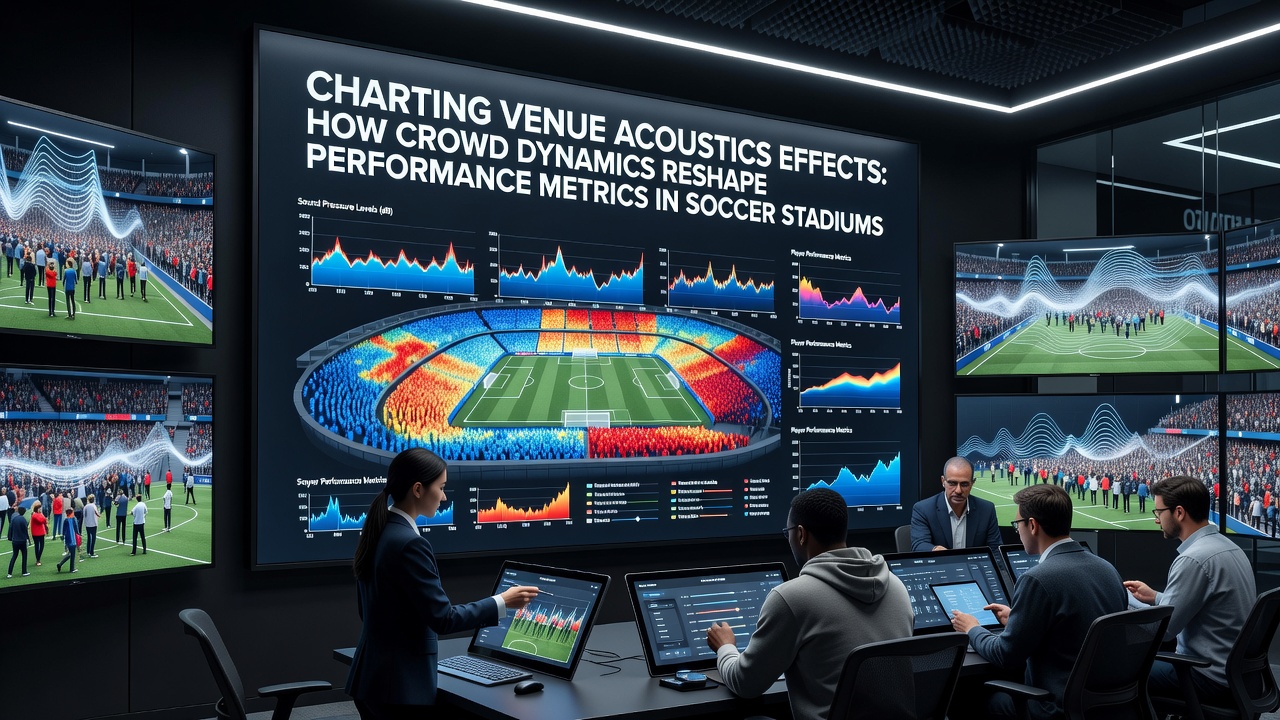
Engineers deploy arrays of calibrated microphones alongside GPS and heart-rate sensors to map how sound pressure interacts with movement data, and organizations such as the Sports Science Institute have published protocols for synchronizing acoustic logs with performance outputs. These combined datasets allow analysts to isolate moments when crowd surges coincide with changes in acceleration profiles or error rates. In soccer, wearable devices capture micro-adjustments in player orientation during noisy passages of play, while racing applications focus on gate-exit velocity and mid-race speed variance under fluctuating sound conditions.
Facilities in Canada and the European Union have adopted standardized reporting templates that include both average and peak sound levels for each event segment, enabling longitudinal comparisons across seasons. One study coordinated by researchers at multiple universities examined over 200 matches and races, revealing that home-team advantage margins narrow when visiting squads train with simulated crowd audio at comparable intensities before travel.
Structural Design Influences on Sound Distribution
Stadium and enclosure architecture directs sound in predictable patterns that either concentrate energy near the playing surface or disperse it upward and outward, and computational fluid dynamics models now incorporate acoustic variables when assessing venue renovations. Lower-tier seating configurations that funnel cheers toward the pitch produce tighter clusters of high-decibel zones, whereas open-air racing tracks with partial roofing create directional echoes that horses encounter at specific track sections. Maintenance crews adjust speaker systems and barrier materials to moderate these effects, though complete elimination remains impossible given the scale of live audiences.
Seasonal and Event-Specific Variations
Attendance figures fluctuate with weather, ticket pricing, and competition importance, producing corresponding shifts in baseline noise floors that affect both soccer and racing metrics. August schedules often feature early-season friendlies or trial races where crowd sizes remain moderate, allowing researchers to establish control datasets before peak-season intensity returns. Records from these periods show narrower performance gaps between home and away participants when acoustic pressure stays below seasonal averages, while later fixtures with fuller stands display wider spreads in key indicators such as successful tackles or final-furlong positioning.
Conclusion
Integrated acoustic and performance monitoring continues to expand across professional soccer and racing venues as sensor technology improves and datasets grow. Facilities that systematically record sound-pressure interactions with athlete and equine outputs generate clearer pictures of how crowd dynamics translate into measurable changes on the field and track. Continued collaboration between engineers, sports scientists, and venue operators supports ongoing refinement of training protocols and structural adjustments that account for these environmental factors.