Lens and Line: Technology's Role in Correcting Soccer Calls and Confirming Horse Race Victories
Greta Otto · May 16, 2026
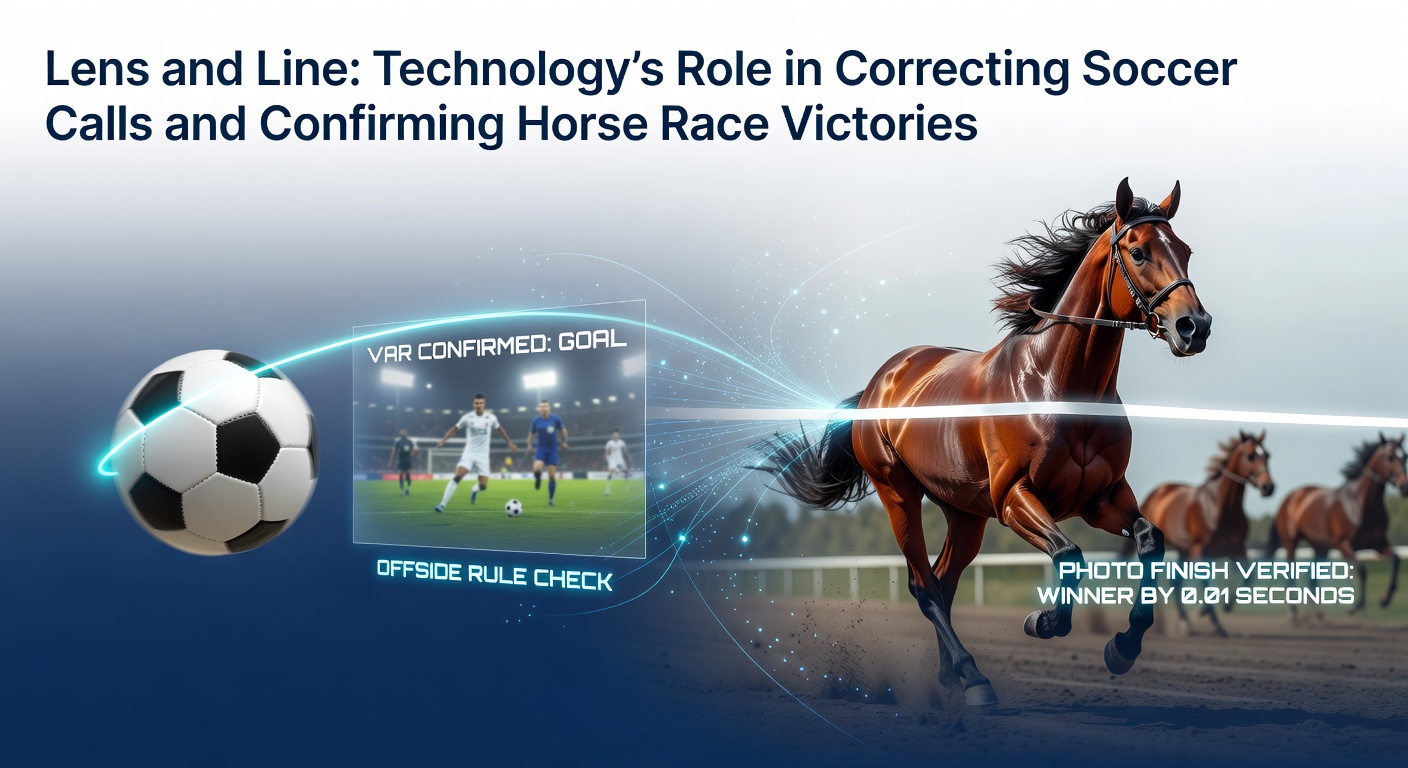
Lens and Line: Technology's Role in Correcting Soccer Calls and Confirming Horse Race Victories
Technology now sits at the heart of decision-making across soccer and horse racing, where high-speed cameras and precise line systems replace human error with measurable accuracy, and these tools have expanded steadily since the early 2010s. Soccer leagues adopted video assistant referee protocols that review incidents through multiple camera angles, while horse racing integrated digital photo-finish equipment that captures the exact moment horses cross the winning post. Both sports rely on calibrated lenses to generate data that officials then interpret under strict protocols.
Video Systems Reshape Soccer Officiating
VAR operations began in top European competitions around 2018, and the technology expanded to additional confederations by 2022, with FIFA reporting consistent reductions in clear refereeing mistakes after each implementation cycle. Multiple high-definition cameras positioned around the field feed live footage to a central review hub, where operators draw virtual lines on the pitch to assess offside positions and ball contact points. Studies from the German Bundesliga documented fewer overturned decisions after initial seasons because match officials gained experience interpreting the system outputs, while data from CONMEBOL tournaments in South America showed similar patterns during Copa Libertadores group stages.
Goal-line technology entered professional soccer through the Hawk-Eye tracking platform that uses seven cameras per goal to triangulate ball position within millimeters. This system activates automatically when the ball approaches the goal line, and it sends an instant signal to the referee's watch. The technology passed rigorous testing by FIFA's quality programme before widespread rollout, and it has since recorded thousands of accurate calls without reported malfunctions in sanctioned matches. Observers note that the combination of VAR and goal-line sensors now handles the majority of high-stakes boundary decisions during international fixtures scheduled for May 2026 qualifiers ahead of the expanded World Cup tournament.
Photo-Finish Equipment Defines Horse Racing Outcomes
Modern racing tracks employ electronic timing systems paired with overhead camera arrays that record finish-line images at 10,000 frames per second, allowing stewards to separate horses that finish within inches of each other. The International Federation of Horseracing Authorities maintains standards that require certified equipment at every graded meeting, and these standards have remained consistent since updates finalized in 2015. Australian racing authorities published figures showing that photo-finish reviews resolved over 98 percent of close finishes within 90 seconds during the 2024-2025 season, reducing disputes that previously required lengthy manual measurements.
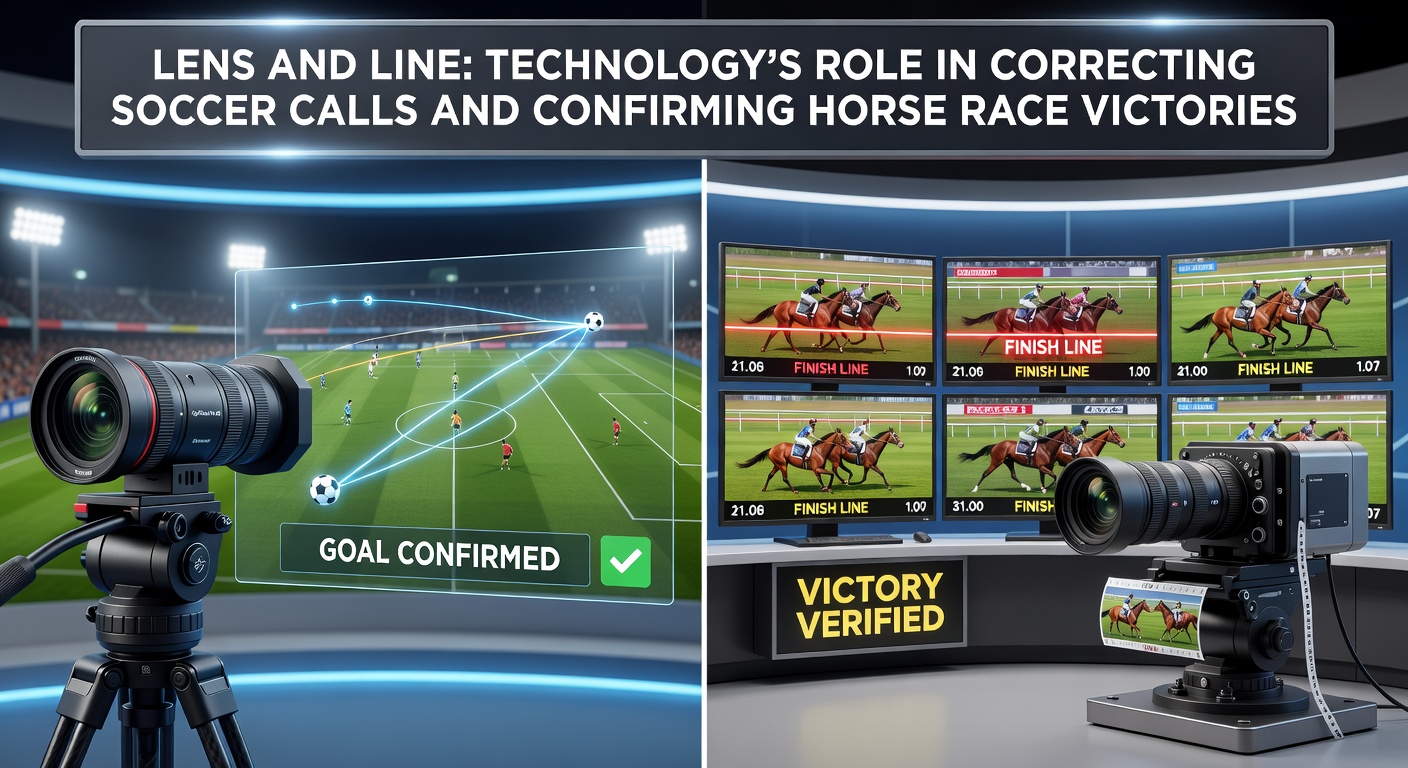
Stewards access the images through secure terminals that overlay digital lines across the finish plane, and they apply rules that define a win when any part of the horse's nose reaches the line first. The Jockey Club in the United States has integrated similar systems at major tracks since the late 1990s, with upgrades to 4K resolution cameras completed by 2023. These upgrades improved visibility in low-light conditions during evening meetings, and trainers now receive instant access to the same frames used for official placings. Researchers at equine performance laboratories have documented how this transparency affects betting markets, since participants can review the evidence immediately after each race rather than waiting for manual announcements.
Shared Technical Principles Across Both Sports
Both soccer and horse racing depend on calibrated lenses that capture motion at speeds exceeding human perception, then convert those images into measurable data points that support consistent rulings. Calibration procedures require daily checks against known reference markers, and governing bodies schedule independent audits to confirm accuracy. The same optical tracking principles that draw offside lines on a soccer pitch also generate the finish-line plane in horse racing, creating a common foundation even though the sports operate under separate regulatory frameworks. Industry reports indicate that hardware suppliers continue to refine sensor fusion techniques that combine camera data with radar or laser measurements, aiming to further compress decision times during live events.
Conclusion
Lens and line technologies continue to evolve through incremental hardware improvements and refined software protocols that governing bodies test before deployment. Soccer competitions scheduled through May 2026 will rely on existing VAR frameworks while horse racing meetings maintain photo-finish standards that have operated reliably for decades. These systems deliver documented increases in decision accuracy across both domains, and their ongoing refinement ensures that officials base calls on verifiable measurements rather than subjective judgment alone.