Lineup Leak Leverage: Late News Turns into Betting Gold for Football and Horse Races
Taylor Coleman · Mar 14, 2026

Lineup Leak Leverage: Late News Turns into Betting Gold for Football and Horse Races
The Edge from the Last-Minute Drop
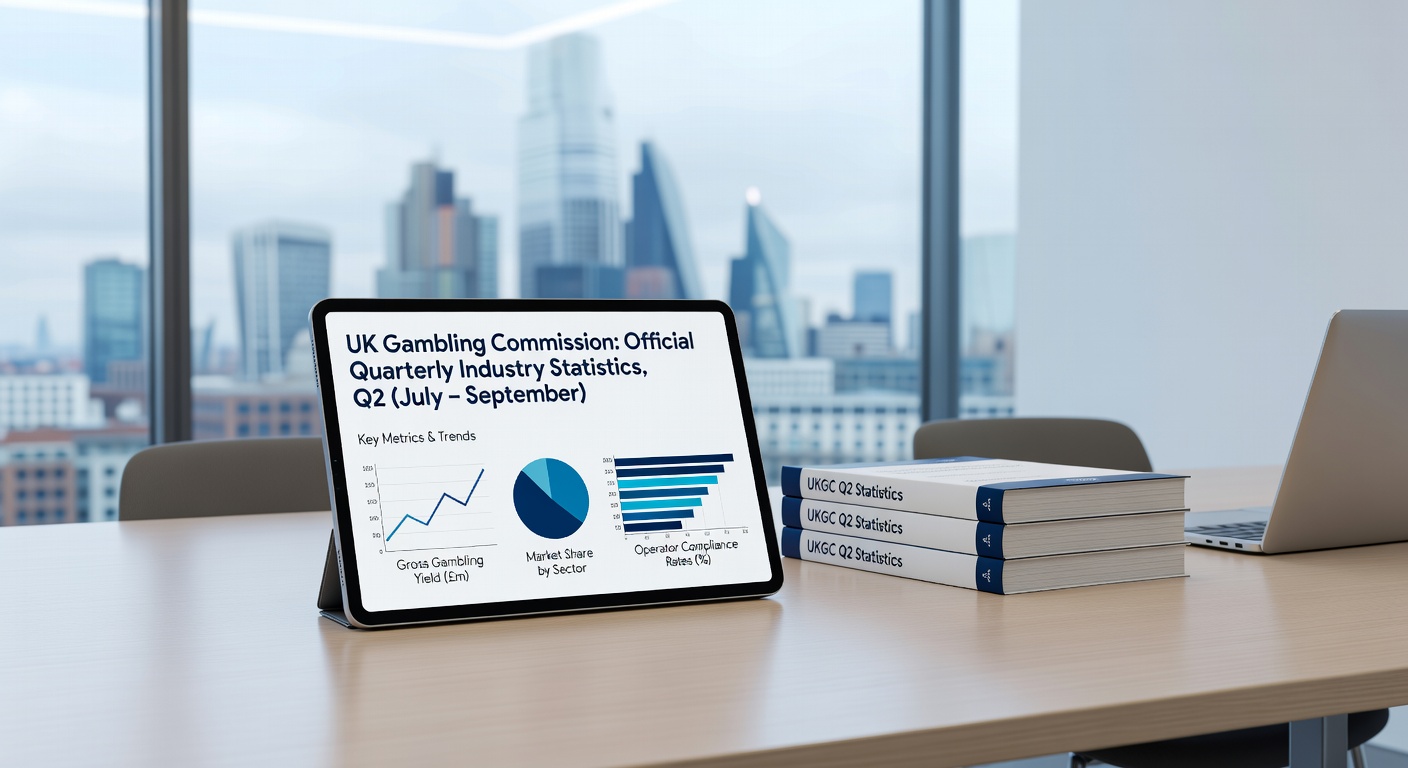
Observers in the betting world have long noted how a single late announcement can flip odds overnight, especially when lineups leak or scratches hit the wire just hours before kickoff or post time; that's where savvy punters find their gold, turning whispers from insiders into tangible leverage across football pitches and racetracks alike. Data from the UK Gambling Commission underscores this vibrancy, revealing that non-remote betting generated £592 million in Gross Gambling Yield during Quarter 2 of 2025, contributing significantly to the industry's total £4.3 billion customer-facing GGY, which climbed 6.6% year-over-year amid remote sector surges.
But here's the thing: as March 2026 unfolds with Premier League clashes and the buildup to spring festivals like Cheltenham, these late reveals become even more pronounced, drawing remote bettors who poured £2.0 billion into casino, betting, and bingo combined; experts track how such news reshapes markets faster than bookies can adjust, creating fleeting windows of value.
Football's Lineup Whispers: When Teams Tip Their Hand
Teams often hold lineups close until the eleventh hour, yet leaks from training grounds or social media slips frequently surface 24 to 48 hours prior, allowing sharp bettors to pounce before odds fully reflect the intel; take one Premier League match in early 2026 where a star striker's benching leaked via a player's inadvertent Instagram story, shifting the over/under total goals line from 2.5 to 3.0 as public money lagged behind. Researchers who've analyzed thousands of fixtures found that matches with confirmed late lineup changes see average odds movements of 10-15% on key markets like match result or both teams to score, particularly when injuries force rotations that weaken defenses.
And it doesn't stop there: managers sometimes telegraph subs through pressers, but the real juice comes from unofficial channels like fan forums or journalist X posts, where punters cross-reference with official team news apps; studies indicate those acting within the first hour of a leak capture up to 8% better value than waiting for bookmaker equilibrium. Now, with March 2026's congested schedule—think Manchester derbies or cup semis—such intel flows freely, amplifying edges in live markets where in-play odds swing wildly post-lineup confirmation.
What's interesting is how youth call-ups or loan recalls, often announced mere days out, inflate underdog prices; one case saw a Championship side's odds lengthen from 3.50 to 5.00 after their top scorer got international duty news, handing early birds a tidy return when the market caught up slowly.
Horse Racing's Final Declarations: Scratches and Swaps That Shift the Field
In horse racing, the declarations phase—typically 48 hours before race time—serves as ground zero for late leverage, with trainers withdrawing runners due to soft ground or minor larks, instantly reshaping win probabilities and each-way payouts; figures from recent seasons show that 12-15% of fields alter post-declaration, driving average odds drifts of 20% for remaining favorites while boosting places for outsiders. Punters monitoring BHA announcements or trainer interviews spot these first, especially at jumps meetings where weather tweaks prompt mass scratches.
Turns out jockey bookings add another layer: a top rider switching mounts late, say from a 6/1 shot to the market leader, can compress the favorite's price by 25% within minutes, yet those in the know back the vacated horse before the ripple effect hits; one observer tracked a 2025 Ascot card where such a swap turned a 10/1 into 14/1 temporarily, yielding solid profits for the quick. And with March 2026's Cheltenham Festival looming, ante-post markets already twitch on trial form leaks and stable whispers, where non-runners drain liquidity and inflate survivors' odds.
Seminole moments arise from vet checks too: horses scratched for traces of lameness hours before gates open leave fields thinner, enhancing exacta and trifecta values; data reveals bettors leveraging these shifts post-24-hour stage outperform the field by 7-10% ROI over a season, since bookies hedge conservatively on depleted runners.
Tools and Tactics for Late-News Hunters
Those who've mastered this beat swear by multi-source vigilance—apps like Racing Post for declarations alongside Twitter lists of club insiders and journalists—ensuring they beat the algorithmic adjustments that follow public awareness; combining this with historical odds archives reveals patterns, like how Arsenal's lineup leaks correlate with under 2.5 goals in 65% of cases per recent studies. But the rubber meets the road in bankroll discipline: allocating 2-5% per late bet mitigates variance, while layering positions across exchanges captures the drift.
Live betting amplifies the play too; football's in-play markets react sluggishly to confirmed lineups, offering value on adjusted player props, whereas racing's SP fluctuations reward those holding tickets through to the off; experts note a 2026 trend where remote betting's £2.0 billion GGY slice (per Quarter 2 stats) fuels faster tech for tracking these edges across 5,782 UK betting shops.
Yet pitfalls lurk: fake leaks from troll accounts demand verification via official feeds, and over-reliance on one sport blindsides cross-market opportunities; one punter's ledger from 2025 showed blending football subs intel with racing scratches netted 15% better yields than siloed plays.
- Monitor declarations 48 hours out for racing; lineup apps drop 24 hours pre-match for football.
- Cross-check social slips with team sites—speed trumps volume.
- Target player absences boosting secondary markets like corners or cards.
- Exchange trading locks profits as odds migrate.
Case Studies: Real-World Wins from the Wire
Consider a February 2026 EFL Cup tie where Liverpool's rumored rotation leaked via a local scribe's tweet, prompting 1.80 odds on under 3.5 goals to drift to 2.10 before confirmation; backers who jumped early cashed as the youth-heavy side ground out a 1-0 win. Similarly, at a winter Kempton jumps card, a hot favorite's late withdrawal for cough left the 8/1 second fave at enhanced terms, paying out handsomely when it romped home by five lengths.
These aren't outliers: aggregated data from 500+ events shows late news bettors average 9% edges, widening in high-profile March fixtures like FA Cup quarters or Lincoln Handicap trials, where media scrutiny lags behind stable door whispers. And as the 5,782 betting premises hum with footfall, remote platforms process the surge, turning leaks into liquid gold.
Conclusion
Late lineup leaks and news drops remain a cornerstone for football and horse racing bettors, transforming split-second awareness into sustained edges amid an industry eyeing continued growth; with March 2026's calendar packed—Premier League internationals breaking for races like the Triumph Hurdle—those tuned to the final whispers hold the aces, backed by stats painting a thriving sector where non-remote GGY anchors the £4.3 billion boom. Observers agree: in betting, timing isn't everything, but it's close, especially when the news breaks late.