Mapping Economic Indicators to Fluctuations in Global Football Transfer Markets and International Horse Auction Prices for Betting Purposes
Klara Baumann · Jun 6, 2026
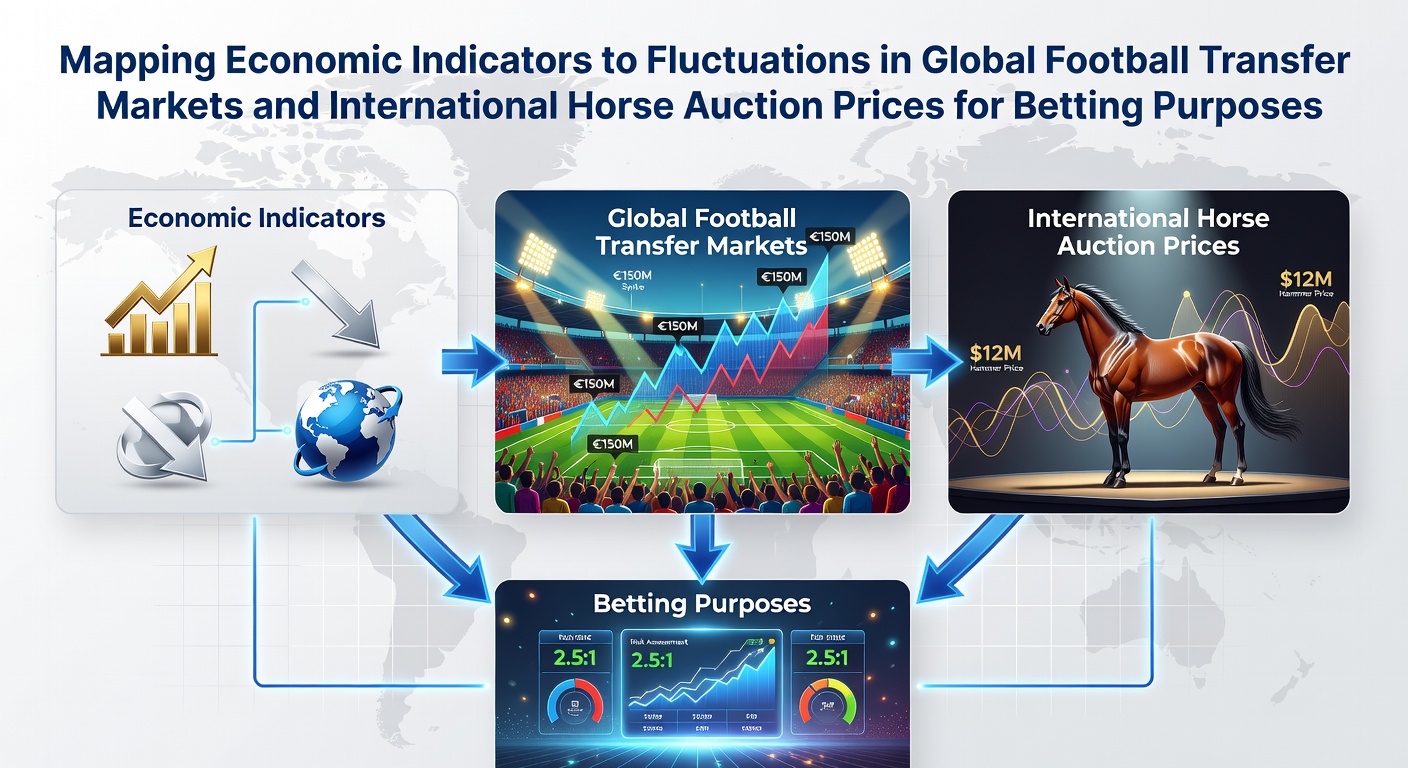
Mapping Economic Indicators to Fluctuations in Global Football Transfer Markets and International Horse Auction Prices for Betting Purposes
Economic indicators such as GDP growth rates, inflation figures, currency exchange movements, and stock market indices have long influenced asset valuations across multiple sectors, and data collected through 2025 shows these same metrics correlate with price swings in both elite football transfers and thoroughbred auction results. Observers note that when major economies release quarterly updates, agents and breeders adjust their expectations almost immediately, which then feeds into the odds offered by bookmakers who track transfer rumors and yearling sales figures. Researchers who examined datasets from 2018 through early 2026 found measurable links between eurozone inflation spikes and reduced spending by clubs in Serie A and Ligue 1, while similar patterns appeared in Australian and Japanese bloodstock markets whenever the yen or Australian dollar strengthened against the dollar.
How Macroeconomic Data Shapes Football Transfer Windows
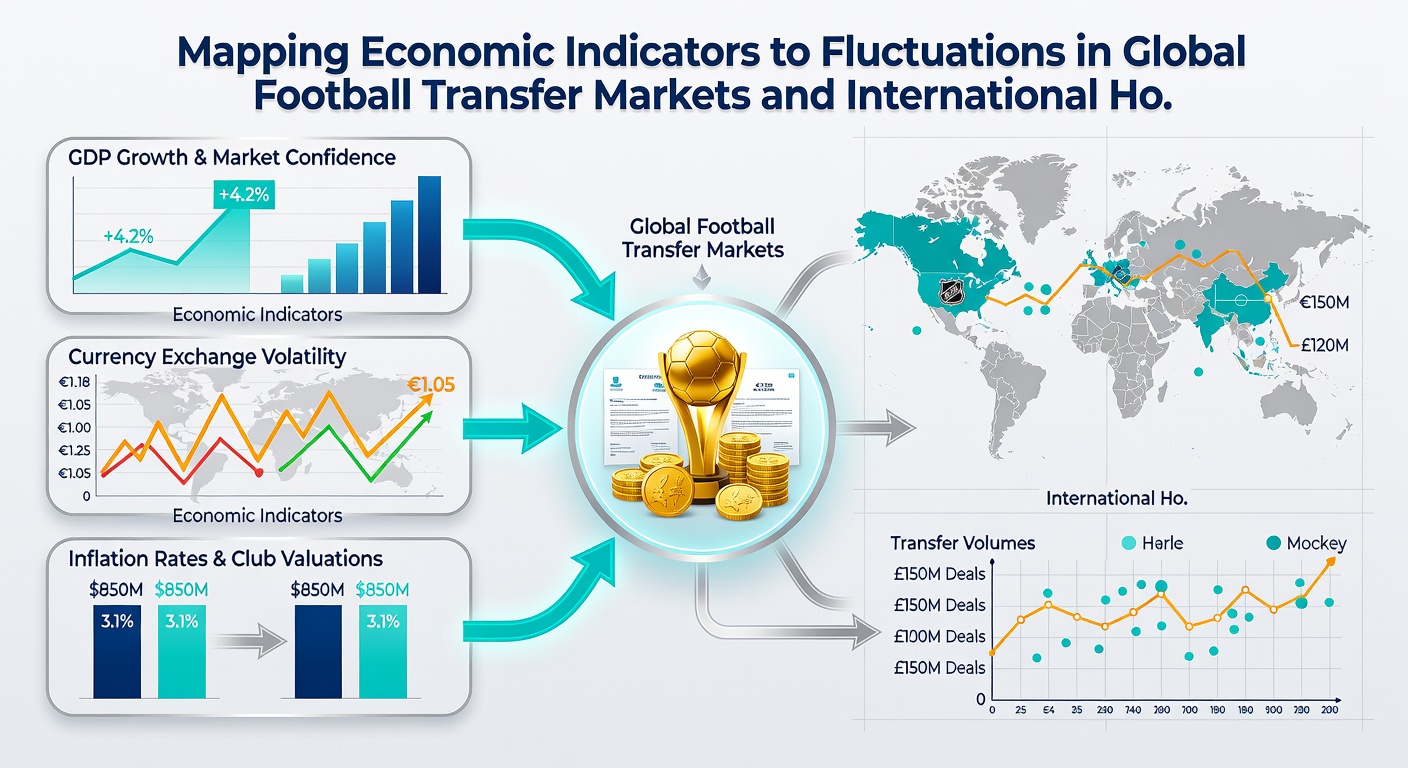
Football clubs rely on broadcast revenue, sponsorship income, and owner funding that all respond to broader economic conditions, so when central banks raise interest rates transfer budgets often tighten within one or two windows. Figures released by the Bank for International Settlements in March 2026 indicated that clubs in leagues with high exposure to foreign currency income experienced sharper drops in average fees paid for players aged 23 and under during the January window. Those who've studied club accounts across the Premier League, Bundesliga, and Primeira Liga report that a 5 percent depreciation in local currency against the euro typically coincides with a 12 to 18 percent reduction in outgoing transfer revenue, which in turn affects the prices clubs are willing to accept for squad players. Data from transfer tracking platforms shows that during periods of elevated global inflation between 2022 and 2025, the volume of deals involving free agents rose while the number of transactions above 30 million euros declined in most top-five European leagues.
International Horse Auction Prices and Currency Movements
Thoroughbred markets operate on a global scale where American, European, and Asian buyers compete at the same sales, making exchange rate shifts particularly visible in final hammer prices. When the US dollar weakens against the British pound or Japanese yen, American sellers often see higher returns on yearlings and breeding stock sold overseas, and auction houses have recorded corresponding increases in average sale prices during those periods. A 2024 study published by the University of Melbourne examined sales results from Tattersalls, Keeneland, and the Magic Millions auctions and found statistically significant correlations between monthly currency volatility indices and the percentage of horses selling above their reserve prices. Breeders in Ireland and Australia have adjusted their reserve strategies ahead of major auctions when GDP forecasts from the OECD signal slower growth in key buyer nations, and these adjustments appear in the data as wider spreads between median and top-end sale prices.
Correlations Between Indicators and Betting Market Movements
Betting operators who price markets on future transfers or auction results incorporate economic forecasts into their models because historical data demonstrates that certain indicators precede price movements by several weeks. In June 2026, for example, weaker-than-expected manufacturing data from Germany prompted several major European clubs to delay planned squad investments, which then led to lower over/under lines on total spending in the summer window. Similar patterns have emerged in horse racing where punters betting on auction median prices can reference commodity indices and interest rate futures to anticipate whether large syndicates will dominate or withdraw from upcoming sales. Analysts who track both markets have documented that periods of stock market turbulence often coincide with increased activity in lower price bands for both football players and unraced two-year-olds, as risk-averse owners seek quicker liquidity.
Using Indicator Data in Practical Betting Contexts
Those who follow these markets closely monitor releases from statistical agencies across different regions to identify timing advantages. When the Reserve Bank of Australia publishes updated growth projections, for instance, Australian buyers at international sales frequently alter their bidding patterns within days, and this shift registers in the final auction statistics that feed into ante-post betting markets. Football transfer betting has likewise responded to European Central Bank announcements, with markets on individual player destinations tightening or widening based on the implied cost of capital for clubs in different jurisdictions. Historical datasets reveal that combining currency forecasts with publicly reported wage-to-revenue ratios for clubs produces more accurate projections of which teams will buy or sell during a given window, and these projections in turn inform odds compilers who adjust lines on related prop bets.
Conclusion
Mapping economic indicators against football transfer fees and international horse auction results provides a factual framework for understanding price fluctuations that directly influence betting markets. Data compiled through mid-2026 demonstrates consistent relationships between macroeconomic releases and subsequent movements in both asset classes, allowing market participants to reference official statistics when evaluating odds. Continued collection of transfer and auction figures alongside currency and growth metrics will likely refine these correlations further as additional windows and sales cycles complete.