Market Movements Decoded: How Early Line Changes Signal Opportunities in Football Derbies and Thoroughbred Stakes
Anna Hayes · May 30, 2026
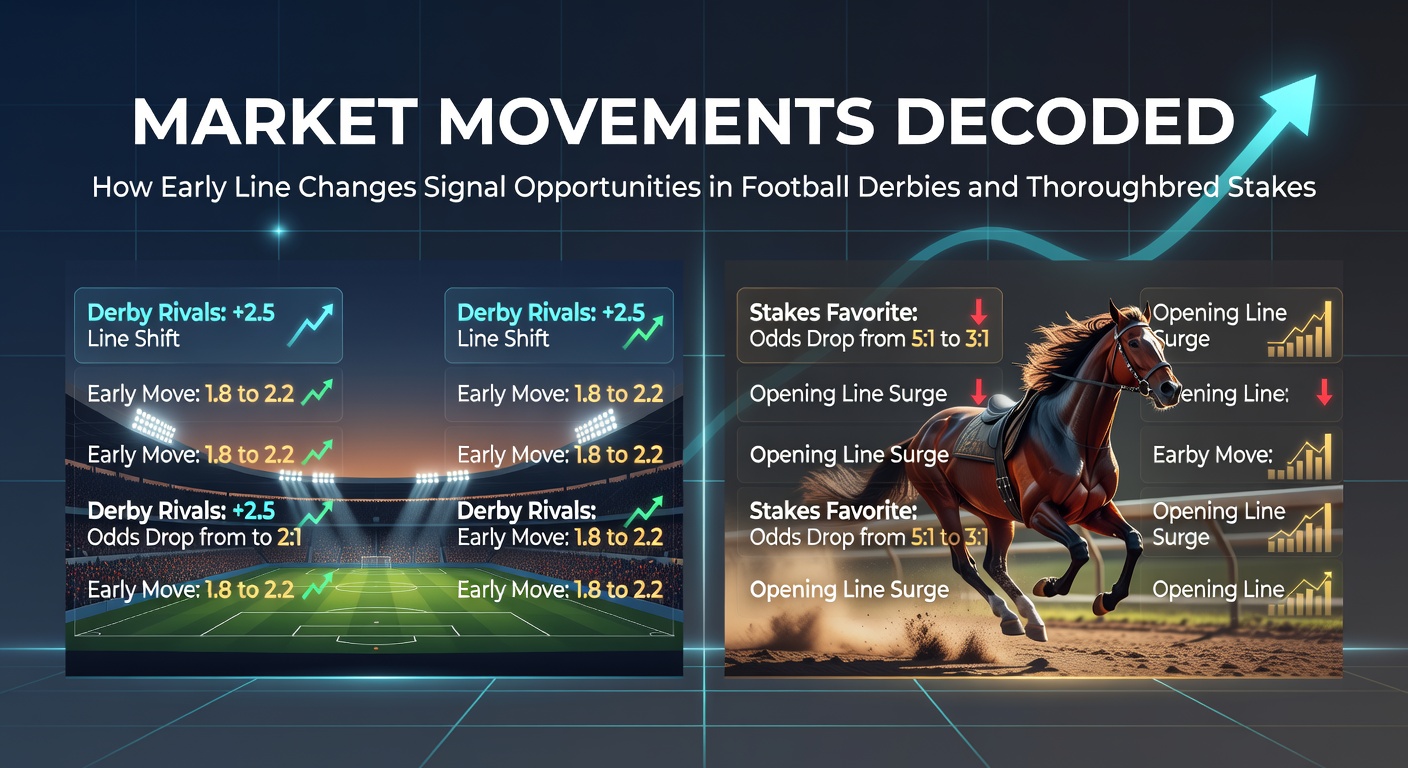
Market Movements Decoded: How Early Line Changes Signal Opportunities in Football Derbies and Thoroughbred Stakes
Betting markets for football derbies and thoroughbred stakes races often reveal patterns through initial odds adjustments that occur hours or days before events begin, and observers note how these shifts can highlight where informed money flows first. Data from regulated markets shows line changes frequently precede public awareness of team news or track conditions, creating windows where adjusted prices reflect updated probabilities more accurately than opening figures. Researchers tracking these movements across multiple seasons find that early movements in high-profile matches and races tend to stabilize once larger volumes enter the market, whereas smaller adjustments sometimes persist until close to post time.
Tracking Initial Odds Adjustments in Football Derbies
Football derbies generate substantial early wagering volume because local rivalries draw consistent interest from both recreational and professional bettors, and analysts track how bookmakers respond by shifting spreads or totals within the first few hours after lines open. Figures from North American sportsbooks indicate that when sharp action targets one side in a derby, the line often moves by half a goal or more before the majority of public bets arrive, and this pattern repeats across leagues where historical data exists. Those monitoring European competitions report similar dynamics, where derby fixtures in May 2026 saw opening spreads adjust rapidly after injury reports surfaced through official channels rather than social media speculation.
Market makers adjust prices based on liability management and incoming wagers from known professional accounts, which means an early line shift can signal where risk has concentrated rather than where public sentiment points. Studies of past derbies demonstrate that when totals drop early in games expected to feature defensive approaches, the adjusted number often aligns with final scoring outcomes more closely than the initial figure, and this holds across different weather conditions documented in league records.
Thoroughbred Stakes and Early Market Reactions
Thoroughbred stakes races attract early line activity from syndicates and large account holders who review past performances, workout reports, and jockey bookings well before entries close, and these bets frequently move morning lines by several points within the first day of betting. Data compiled by racing authorities in Australia and the United States shows that when a favorite's odds lengthen early in graded stakes, it often correlates with updated information about track biases or equipment changes that later appear in official programs. Observers following May 2026 stakes events noted that early drifts in certain post positions preceded public discussion of rail biases at tracks hosting major races that month.

Each-way and place markets in stakes races display distinct early movement patterns because syndicates often target these secondary options when they identify value in longer-priced runners, and historical figures indicate these adjustments stabilize faster than win odds in the same events. Researchers examining North American racing data find that early line changes in allowance and stakes races frequently precede scratches or jockey changes announced later, providing a window where updated probabilities appear in the prices before most bettors react.
Patterns Across Combined Markets
Operators handling both football and racing products observe that early line movements in one sport sometimes influence related betting interest in the other when major events overlap on the same weekend, and this cross-market activity becomes measurable through volume reports released by gaming associations. Figures released by the American Gaming Association highlight how combined handle on football derbies and stakes races during championship periods can exceed single-event averages by notable margins, and early adjustments in those periods often reflect broader liquidity rather than isolated information. Those reviewing multi-year datasets note that line stability after initial sharp action tends to predict final market direction more reliably than later public-driven shifts.
Regulatory reports from Canadian provincial gaming bodies document similar cross-sport patterns, where early movements in football totals align with adjustments in racing win pools when overlapping betting windows open simultaneously. Analysts examining these datasets emphasize that the timing of first adjustments matters more than the size of the move, because early changes driven by professional accounts establish the baseline that later volume builds upon.
Conclusion
Early line changes in football derbies and thoroughbred stakes continue to provide measurable signals for market participants who track volume sources and timing across regulated operators, and ongoing data collection through 2026 supports consistent patterns in how these adjustments occur. Market records show that monitoring initial shifts rather than final prices offers one approach to identifying where updated information first enters the system, and this holds across different jurisdictions and event types. Continued analysis of these movements relies on transparent reporting from operators and racing authorities worldwide.