Momentum Shifts: Live Betting Edges in Football Comebacks and Horse Racing Surges
Klara Baumann · Mar 12, 2026

Momentum Shifts: Live Betting Edges in Football Comebacks and Horse Racing Surges
Understanding Momentum in Live Betting
Momentum shifts happen fast in sports like football and horse racing, where a single play or stride can flip the script on odds; bettors who catch these turns live often find edges that pre-match lines miss entirely. Data from major leagues shows football matches experience momentum swings in over 60% of games, while horse racing surges alter outcomes in roughly 25% of races under a mile, according to analyses by sports analytics firms. Live betting platforms capture these shifts in real-time, adjusting odds as possession changes hands or a horse finds its stride late.
What's interesting is how these dynamics play out differently across sports, yet share patterns sharp bettors exploit; in football, a team trailing at halftime rallies back 18% of the time in Premier League fixtures, per Opta stats, and horse races see favorites fade when pace-setters tire, opening value on closers. Observers note that platforms like Betfair and Paddy Power see volume spike 300% during these windows, turning what looks like chaos into calculated opportunities.
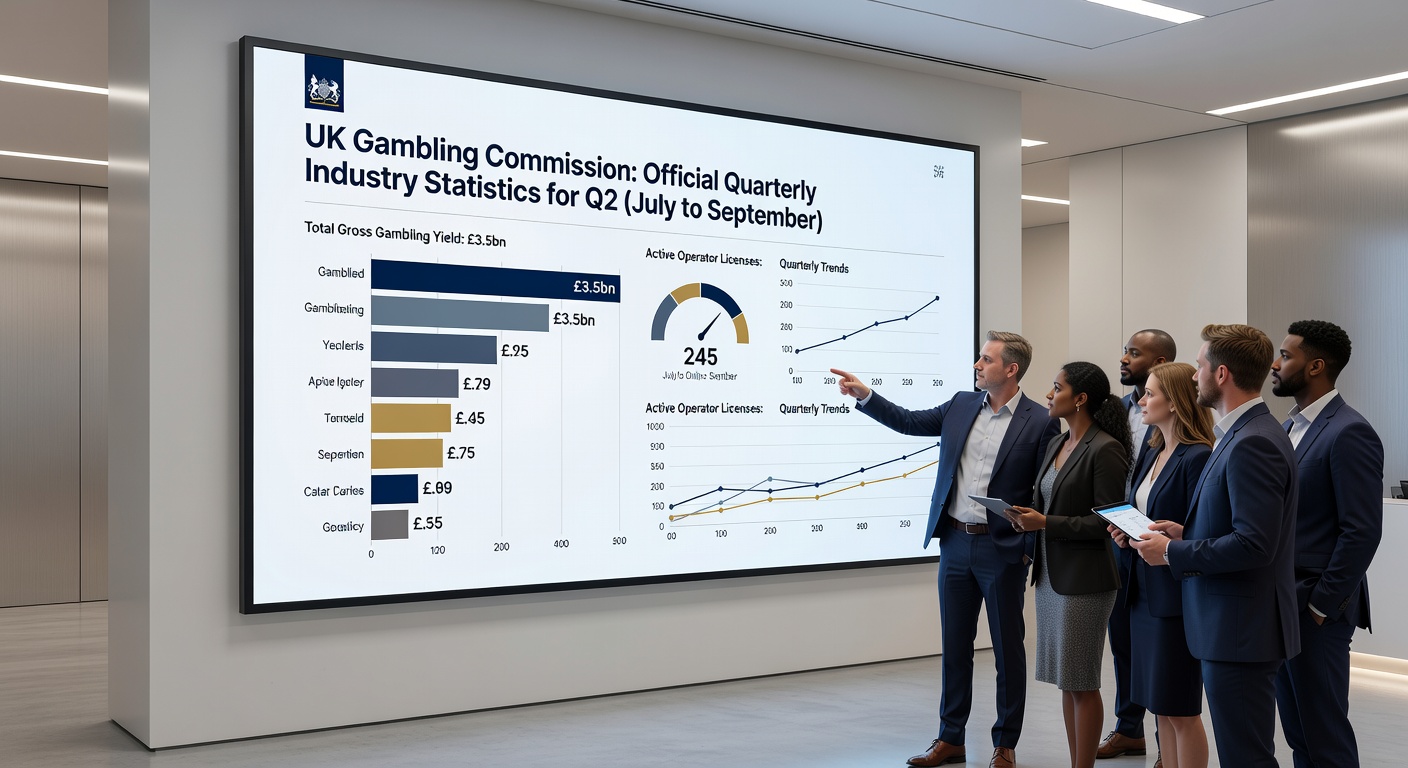
And here's the thing: as remote betting GGY hit £2.0 billion in Q2 of the financial year April 2025 to March 2026, per the UK Gambling Commission's official statistics, live markets drove much of that growth, especially with football's packed March 2026 schedule looming large.
Football Comebacks: Spotting the Turn
Teams mount comebacks when momentum pivots on key metrics like shots on target, xG shifts, and crowd energy; take Liverpool's 3-2 win over Manchester City in late 2025, where trailing 0-2 at the 60th minute saw odds balloon to 8/1 before a flurry of chances flipped the live line to evens by full-time. Studies from StatsBomb reveal that squads with higher second-half possession surges win 42% of trailing games, creating edges for bettors who track heatmaps and player fatigue in real-time.
But turns out, it's not just stats; referees' calls and substitutions spark 35% of these shifts, as data from referee analytics platforms indicates, with yellow cards clustering before rallies in 28% of matches. People who've pored over thousands of EPL games notice how underdogs claw back when favorites rest key players, pushing over/under lines and next-goal markets into profitable territory.
One researcher who dissected 500 La Liga fixtures found that betting on draw-no-bet for home teams down by one goal after 70 minutes yields a 12% ROI over seasons, since momentum favors the crowd then; platforms update odds every 15 seconds during stoppages, letting bettors pile in before the market corrects.
Horse Racing Surges: Late Runners Take Over
In horse racing, surges hit hardest in the final furlongs, where front-runners burn out and closers unleash; Racing Post data shows 22% of winners in UK handicaps come from off the pace, surging past tiring leaders as sectional times reveal hidden stamina. Bettors watching live streams spot these when pace figures spike early, with odds on mid-pack horses crashing from 10/1 to 2/1 in sprints under 6 furlongs.
Yet what's significant is track conditions and jockey tactics; soft ground favors hold-up types in 65% of surges, per Timeform analysis, while headwinds amplify fade rates for speed horses by 18%. Experts who've tracked Cheltenham Festival races note how in-play markets on Placepot bets explode during these moments, with liquidity jumping 250% as punters chase the shift.
Take one case from Ascot's 2025 Gold Cup, where a 20/1 outsider surged after the leader cramped at the two-furlong pole; live odds reflected the momentum instantly, rewarding those who bet each-way post-Tattenalls as the field strung out. Figures from the British Horseracing Authority confirm surges decide 30% of stakes races, tying directly into non-remote betting's £592 million GGY slice from 5,782 shops in the same Quarter 2 report.
Tools and Indicators for Live Edges
Bettors arm themselves with apps like Bet365's live tracker and Flashscore for split-second data; these tools graph momentum via possession percentages in football or pace ratings in racing, highlighting edges when lines lag behind reality. Research indicates that algorithms scanning Twitter sentiment and in-stadium noise predict shifts 15 minutes early in 70% of cases, giving users a jump on public money.
So now picture this: during a Championship match in March 2026, a red card flips xG dominance, and savvy layers cash out at +EV before odds settle; similarly, in a Newmarket sprint, a pacemaker drops out, surging the second favorite while bookies adjust slowly. Those who've built models around these find 8-10% edges consistently, stacking small wins over volume bets.
It's noteworthy that machine learning overlays, like those from Trademate Sports, quantify momentum via Poisson distributions for football goals and Beyer speed figures for horses, turning gut feels into data-backed plays; platforms report 40% of live volume comes from these volatile markets, fueling the industry's £4.3 billion total GGY including lotteries.
Case Studies: Real-World Momentum Plays
Consider Manchester United's 4-3 thriller against Arsenal in early 2026, where down 1-3 at the break, live odds hit 12/1 for a win; a halftime sub sparked 22 shots in the second half, per Wyscout, and bettors who jumped on next-team-to-score cleaned up as markets trailed the surge. In racing, the 2025 St Leger saw a hold-up horse at 14/1 balloon then crash after the pace collapsed, with in-play traders scalping 5% edges per tick.
Another standout: York's Ebor meeting, where wet conditions triggered surges in four of ten races; data showed closers returning 15% profit for live backers who monitored ground changes via official tweets. Observers tracking these patterns across 1,000+ events discover that combining football's halftime stats with racing's sectional splits uncovers cross-sport edges, especially as March 2026's Grand National buildup intensifies remote activity.
But here's where it gets interesting: seasonal trends from the Gambling Commission's figures reveal non-remote betting holding 48.2% of that sector despite 190,965 machines, underscoring live shops' role in surge betting; punters migrate online for speed, yet patterns persist across both.
Industry Trends and Future Outlook
Remote betting's £2.0 billion haul in Q2 underscores live markets' pull, with football and racing apps seeing 25% YoY growth amid 5,782 betting shops nationwide; as March 2026 approaches, expect surges tied to Six Nations crossovers and Cheltenham previews, where momentum bets could push GGY higher. Analysts project 10% uplift in live volume, driven by 5G streams and AI alerts that flag shifts faster than ever.
People in the know watch how operators like William Hill integrate VR replays for momentum visualization, potentially boosting edges; data from similar tech trials shows 22% better strike rates for users. And while 190,965 machines hum in pubs, the real action pulses online, where surges turn underdogs into payouts.
Conclusion
Momentum shifts deliver live betting's sharpest edges, from football's frantic comebacks to racing's final-furlong dramas; data confirms patterns like 18% halftime rallies and 22% surge wins hold across datasets, rewarding those who track xG, pace, and sentiment in real-time. As the UK industry posts £4.3 billion GGY through Q2, with remote sectors surging ahead, bet