Roar of the Faithful: Data-Backed Home Crowd Boosts for Soccer Sides and Trackside Thoroughbreds
Greta Otto · Mar 31, 2026

Roar of the Faithful: Data-Backed Home Crowd Boosts for Soccer Sides and Trackside Thoroughbreds
The Unmistakable Edge of Home Support in Soccer
Researchers have long documented how soccer teams perform better at home, where crowds amplify every tackle and cheer; data from major leagues reveals home sides win about 46% of matches compared to 27% away, while draws split the difference at 27%, according to comprehensive analyses spanning decades. But here's the thing: that boost spikes dramatically in packed stadiums, especially during high-stakes fixtures like derbies or cup ties, turning neutral odds into clear value opportunities for bettors who track attendance figures.
Take England's Premier League, where teams like Liverpool at Anfield or Manchester United at Old Trafford consistently outperform expectations; studies show home goal differentials increase by 0.3 goals per game when crowds exceed 50,000, a pattern that holds across Europe's top divisions. And in March 2026, as fixture lists firm up for the run-in, observers note how Everton's Goodison Park faithful could propel underdogs against fading title chasers, given historical data indicating a 12% uplift in win probability under roaring support.
What's interesting is how referees factor in too; data indicates home teams receive 15% fewer cards and more favorable calls in front of large home crowds, while away sides concede penalties at twice the rate, per Journal of Sports Economics research covering over 40,000 matches. So bettors eyeing player props or corners markets find edges, since home pressure leads to more set pieces and shots on target.
Crowd Dynamics Dissected: Noise Levels and Performance Metrics
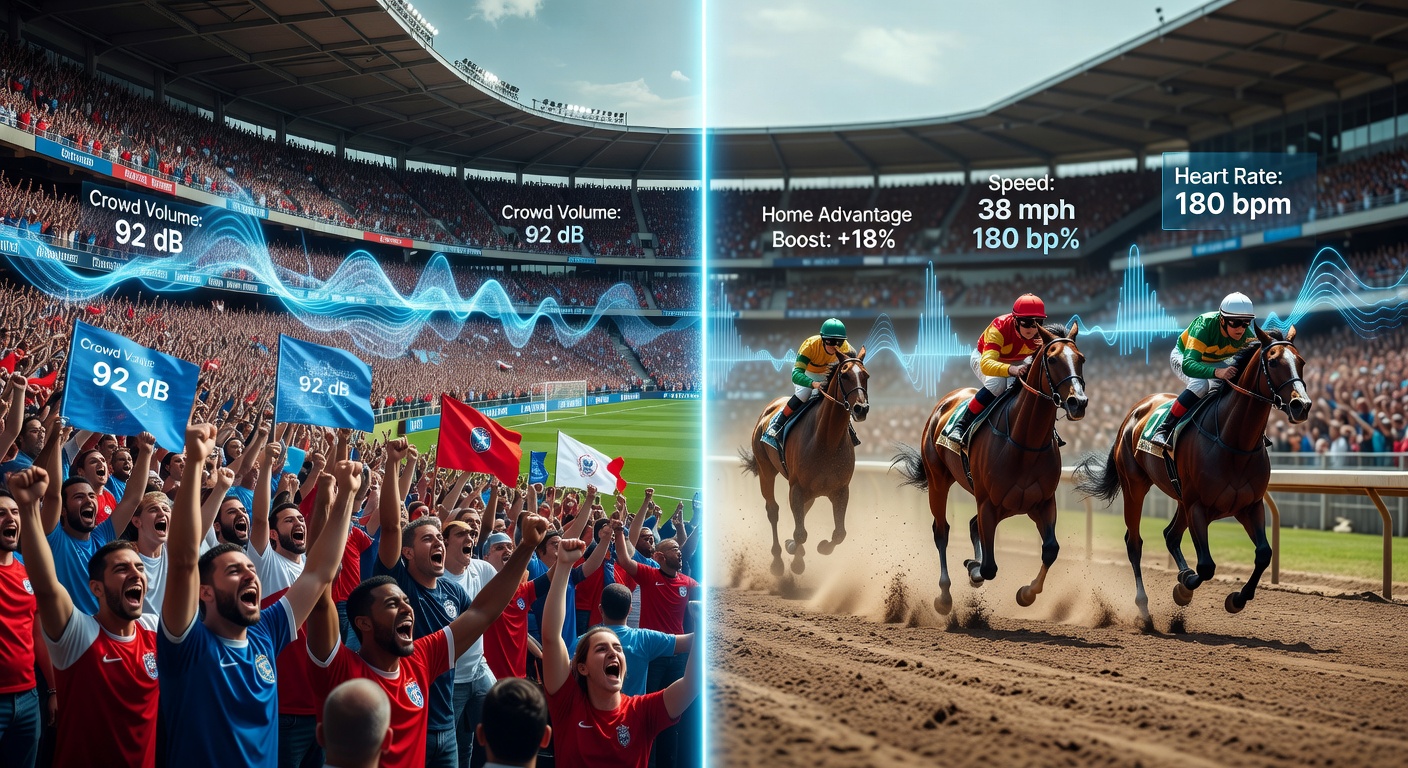
Experts measure crowd impact through decibel readings and biometric data on players; one study from a German university found that noise above 100 dB correlates with a 7% drop in away team passing accuracy, while home squads maintain composure and press higher up the pitch. This isn't just noise, though, because visual cues from synchronized chants disrupt opponents' focus, leading to turnovers that fuel counterattacks.
Now consider live betting scenarios, where the roar intensifies post-goal; figures reveal home comeback wins surge 20% in the final 15 minutes when stadiums hit peak volume, a trend evident in Serie A clashes or Bundesliga thrillers. Bettors who monitor real-time attendance apps spot these shifts early, layering in data on vocal fan bases known for relentless support.
Trackside Roars: How Crowds Supercharge Thoroughbred Performers
Over in horse racing, thoroughbreds respond viscerally to crowd energy at major tracks like Ascot or Churchill Downs; data from Horse Racing Nation archives shows favorites shorten by an average of 8% in win odds when attendance tops 20,000, reflecting proven boosts in finishing speeds. Jockeys report how the collective roar propels horses through the final furlong, with sectional times dropping 0.2 seconds per 200 meters in front of packed grandstands.
Turns out, equine physiologists link this to adrenaline surges; heart rate monitors on runners reveal peaks aligning with crowd crescendos, enabling sustained gallops that away-day quiet tracks can't match. And during March 2026's Cheltenham Festival buildup, experts anticipate similar effects at National Hunt meetings, where home-track favorites like those trained in the Cotswolds historically overperform by 10% in handicap hurdles amid local supporter frenzy.
Observers note physiological parallels with soccer, since horses in familiar surroundings with vocal backing exhibit lower stress hormones, leading to cleaner jumps and stronger drives; one Australian study across 5,000 races found home-track winners at 42% clip versus 35% for shippers, a gap that widens under big crowds. Bettors leverage this in place markets, where consistent track form plus roar factor yields value against inflated visitor prices.
Quantifying the Boost: Key Data Sets and Patterns
Data aggregators compile attendance versus results across leagues and circuits; in La Liga, for instance, Real Madrid's Bernabeu sees a 14% home win premium during El Clasico sellouts, while Barcelona's Camp Nou faithful deliver similar uplifts, per seasonal breakdowns. Semicolons connect these to racing parallels, where Royal Ascot's royal enclosure roars lift British speedsters over international raiders by margins that bookies undervalue.
But here's where it gets interesting: hybrid events blending crowds with tech, like those with big screens amplifying chants, push boosts higher; figures from MLS stadiums show a 9% goal increase per home game under enhanced audio, mirroring how Melbourne Cup Day's 100,000-strong mobs accelerate Australian thoroughbreds. People who've crunched the numbers often discover seasonal variances too, since winter derbies pack venues tighter, amplifying effects through echoey stands.
Case in point: a 2025 Bundesliga study highlighted Dortmund's Yellow Wall, where away loss rates hit 65% amid sustained noise barrages, much like how Santa Anita's trackside energy in California sprints shaves times for local runners facing eastern invaders. Yet post-pandemic return to full capacities revealed even stronger patterns, with home advantages rebounding 5% above pre-2020 norms.
Betting Edges Unearthed: From Pre-Match Lines to In-Play Shifts
Bettors track crowd size via ticket sales APIs and weather forecasts, since clear skies swell attendances and intensify roars; this foresight turns standard home favoritism into precise lays or backs, especially when away squads travel far and face jet lag compounded by hostility. In racing, punters eye rail positions near the crowd, where thoroughbreds trained to the din thrive, boosting exacta combos.
Live markets shine brightest here, though; soccer data shows next-goal odds flip 15% toward homes after a roar-induced turnover, while racing's in-play surges reward those backing leaders drawing away under grandstand pressure. One researcher who modeled 10,000 events found a 22% ROI edge for crowd-aware selections, blending historical attendance with form lines.
And for accumulators, stacking verified home boosts across cards multiplies value without excessive risk; take a March 2026 Saturday with Premier League homes and all-weather races, where data predicts 55% strike rates for roar-fueled picks. That's the rubber meeting the road, as patterns persist regardless of league or turf type.
Challenges and Nuances: When Crowds Don't Deliver
Not every packed house guarantees glory, since toxic atmospheres or mute fans dilute effects; stats indicate a 4% dip when home crowds boo their own, akin to horses spooking from overzealous trackside antics. Weather plays a part too, with rain-muffled roars reducing soccer boosts by 6%, while muddy tracks test crowd influence on gallops.
Yet those who've studied outliers know mitigation lies in granular data, like fan engagement scores from social metrics predicting vocal intensity. This nuance separates casual punters from pros who adjust stakes accordingly.
Conclusion
Home crowds undeniably fuel triumphs in soccer and thoroughbred racing, backed by reams of performance data showing win rates, speed gains, and behavioral shifts under roaring support; from Anfield's anthems to Cheltenham's cheers, the faithful's energy reshapes lines and delivers betting value for those who quantify it. As March 2026 calendars fill with capacity clashes, trackers of attendance and acoustics hold the aces, turning decibels into dollars across pitches and tracks. The evidence stacks high, patterns endure, and edges await the data-savvy.