Tracing Lineage Impacts: How Bloodlines in Racing and Youth Academies in Soccer Shape Long-Term Betting Outcomes
Klara Baumann · Jul 2, 2026
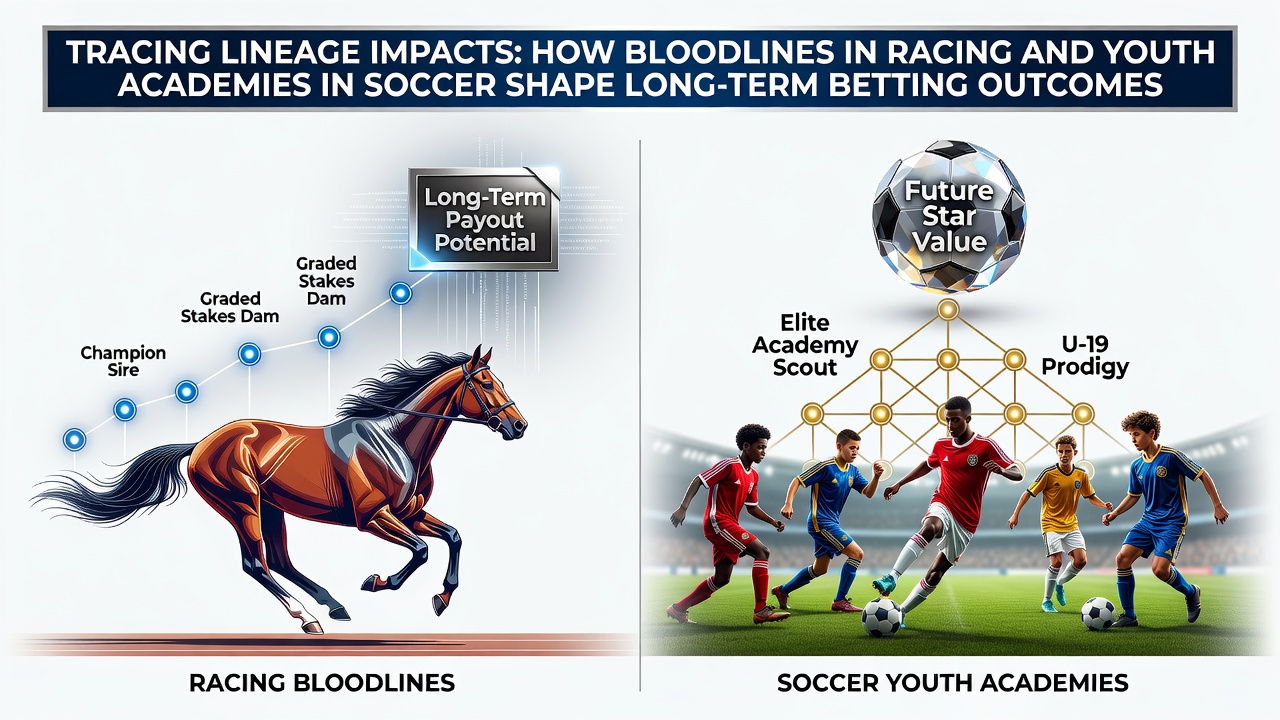
Tracing Lineage Impacts: How Bloodlines in Racing and Youth Academies in Soccer Shape Long-Term Betting Outcomes
Thoroughbred racing has long relied on pedigree analysis to predict future performance, and data from breeding records shows how specific bloodlines contribute to traits like speed, endurance, and injury resistance that influence ante-post betting markets months or even years ahead. Soccer youth academies follow a parallel path where structured development programs produce players whose long-term contributions affect futures wagers on titles, promotions, and individual awards, with analysts tracking academy graduates across multiple seasons to adjust odds accordingly.
Pedigree Patterns in Racing Markets
Breeders and trainers document how certain stallions transmit consistent attributes through generations, and studies from institutions like the University of Queensland have examined genetic markers linked to muscle fiber composition in racehorses. These findings help form the basis for pricing long-range bets on classics and breeding stock sales, where offspring from proven lines often command shorter odds well before their first starts. Observers note that when a sire like Galileo or his descendants appears in a pedigree, bookmakers adjust early markets for upcoming two-year-old races because historical results indicate higher strike rates in maiden events and trials.
Weather conditions, track surfaces, and distance preferences also trace back to inherited characteristics, so bettors review dam lines for clues about performance on turf versus dirt or in wet conditions. Data from Australian racing authorities reveals that certain families excel on firm ground while others show resilience on softer tracks, which shapes ante-post prices for major cups scheduled in July 2026 and beyond. This information flows into multi-race accumulators and exotic bets where lineage provides an edge over recent form alone.
Academy Pipelines and Soccer Futures
Soccer clubs invest heavily in youth systems that identify and refine talent over five to ten years, and graduates from established academies such as those operated by clubs in the Netherlands and Spain frequently reach first-team squads with measurable impacts on league standings. Long-term betting on player transfers, goal tallies, and team achievements incorporates graduation rates and playing time statistics from these programs, because historical patterns show academy products often deliver steady contributions once they break into senior football.
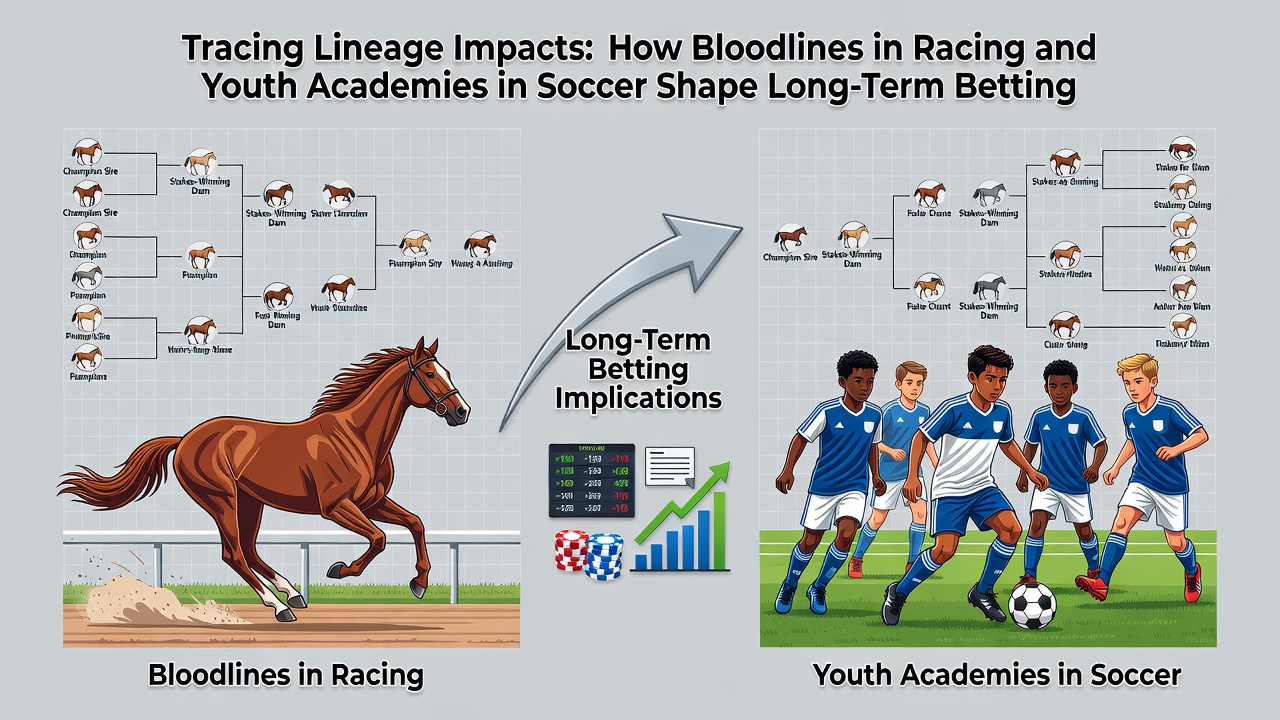
European governing bodies track academy outputs through standardized development reports, and these datasets allow oddsmakers to refine futures markets for emerging talents who may feature in international tournaments or domestic cups years later. When multiple graduates from one academy enter a squad simultaneously, lines on title challenges or European qualification shift because the group dynamic tends to accelerate team cohesion compared with sides relying on frequent transfers. Bettors who monitor academy match logs and loan performances gain access to indicators that surface before mainstream form guides update their assessments.
Intersecting Data for Extended Horizons
Both disciplines generate longitudinal datasets that extend well beyond single events, and handicappers combine pedigree statistics with academy progression metrics to construct models for bets placed nine to eighteen months in advance. In racing this includes dosage indices and dosage profiles that quantify stamina potential, while soccer analysts examine pass completion trends and physical testing results from under-18 and under-21 levels to forecast senior output. The overlap appears most clearly in hybrid markets such as cross-sport parlays or entertainment bets that reference future star power in either field.
Regulatory frameworks in various jurisdictions require transparent reporting of breeding and development statistics, which in turn supports responsible market pricing. Canadian horse racing records and German soccer federation youth evaluations provide public benchmarks that oddsmakers reference when opening books on distant events, reducing volatility once the information becomes widely available. Those who study these sources regularly observe that early adjustments in odds often reflect lineage and academy signals rather than short-term noise.
Conclusion
Lineage tracing in racing and academy monitoring in soccer supply measurable inputs that shape extended betting horizons, with documented performance correlations guiding price formation across seasons. The integration of genetic records and structured youth development data continues to refine how markets evaluate future outcomes without relying solely on immediate results.