When passports and plane delays dictate the odds: exploring travel-induced variances in international soccer and transcontinental thoroughbred events
Elena Friedrich · Jun 27, 2026
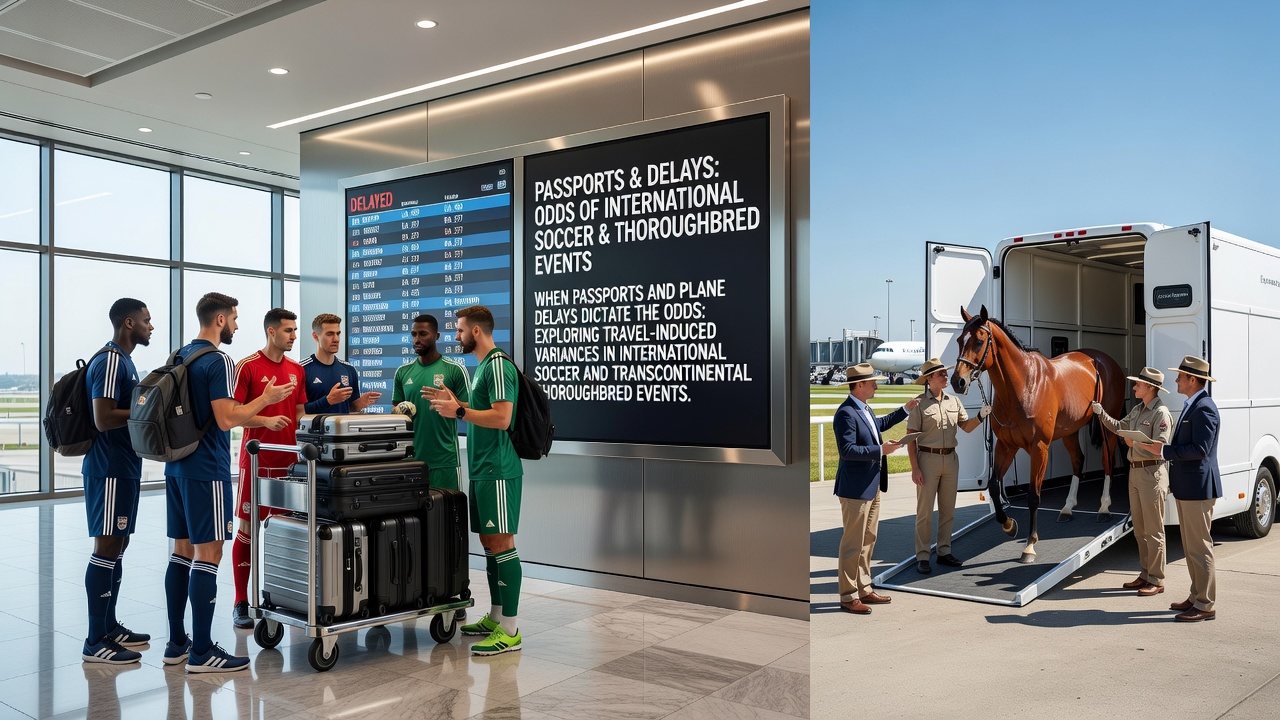
When passports and plane delays dictate the odds: exploring travel-induced variances in international soccer and transcontinental thoroughbred events
Travel logistics shape outcomes in international soccer matches and transcontinental thoroughbred races through documented effects on player recovery and equine performance. Flight schedules, passport processing times, and regulatory clearances create measurable variances in preparation windows that data from governing bodies consistently track. Researchers examining these patterns note connections between disrupted itineraries and subsequent results across both sports.
Passport protocols and cross-border timelines in soccer
International soccer competitions require teams to navigate visa issuance and passport verification processes that vary by host nation regulations. FIFA maintains records showing that squad movements for qualifiers and tournaments depend on advance documentation submissions, with processing periods ranging from several days to multiple weeks depending on the countries involved. During preparations for events scheduled around June 2026, confederations coordinate with immigration authorities to align arrival windows with match calendars.
Data from transport authorities indicate that passport-related delays occur most frequently when teams cross multiple jurisdictions within short succession. European clubs participating in CONMEBOL or AFC competitions encounter extended clearance procedures that compress training periods upon arrival. Observers tracking these movements report that such constraints alter standard acclimatization routines before fixtures.
Flight disruptions and jet lag metrics for athletes
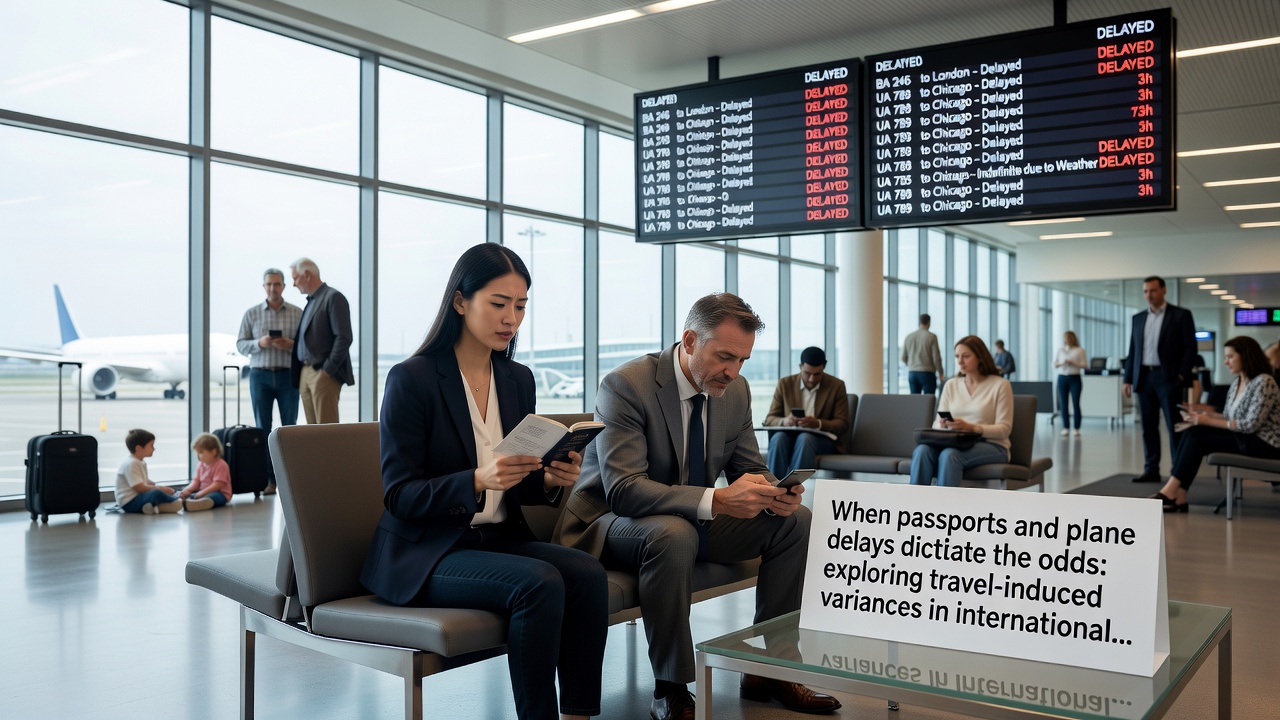
Airline on-time performance statistics from the U.S. Department of Transportation reveal patterns in delays affecting teams traveling between continents. Long-haul routes crossing multiple time zones introduce circadian rhythm adjustments that physiological studies quantify through sleep disruption and reaction time measurements. Soccer federations compile internal reports linking these factors to in-game metrics such as distance covered and pass completion rates.
Transatlantic and transpacific flights scheduled during peak tournament periods show higher incidences of cascading delays when weather systems or air traffic control constraints intervene. Teams rerouted through intermediate hubs experience extended total travel durations that compound fatigue accumulation. Performance databases maintained by leagues document correlations between arrival timelines and first-match outputs in subsequent days.
Equine transport regulations across continents
Thoroughbred shipments between racing jurisdictions follow veterinary certification and quarantine protocols established by agricultural departments in destination countries. The Australian Department of Agriculture, Fisheries and Forestry outlines requirements for horses entering from North American or European origins that include pre-export testing and isolation periods lasting up to fourteen days in some cases. These timelines directly influence participation schedules for events such as the Melbourne Cup or international invitational races.
Commercial carriers specializing in equine air freight maintain records of flight durations and layover frequencies on routes connecting major racing centers. Temperature-controlled stalls and in-flight monitoring systems address welfare standards, yet mechanical or scheduling issues still produce variances in total transit times. Industry reports from the International Air Transport Association note that such interruptions affect muscle recovery and hydration status upon unloading.
Documented performance shifts following extended journeys
Studies published in veterinary and sports science journals track physiological markers in horses after transcontinental flights, including elevated cortisol levels and altered stride parameters that normalize over subsequent days. Trainers adjust conditioning schedules based on arrival dates, with data indicating that horses competing within forty-eight hours of long-haul transport show different speed figures compared to those granted longer recovery intervals. Similar patterns appear in soccer analytics where teams arriving after overnight flights record reduced high-intensity running outputs in opening halves.
Event organizers in both domains incorporate buffer days into calendars when feasible, though fixture congestion during June 2026 programming periods limits flexibility for World Cup participants and southern hemisphere racing calendars. Regulatory filings from transport safety boards highlight how cumulative delays compound across connecting flights and ground transfers.
Regulatory variations by region and sport
Canadian and Mexican authorities coordinate with U.S. counterparts on entry procedures for athletes and livestock ahead of the 2026 tournament cycle, creating standardized pathways that nonetheless require precise timing adherence. Equine movements across EU member states follow harmonized health certificates that differ from requirements imposed by Asian or South American racing authorities. These procedural differences produce distinct preparation windows that statistical models incorporate when analyzing historical results.
Industry organizations such as the Federation Equestre Internationale publish guidelines on post-transport monitoring that parallel medical protocols used by soccer medical staffs. Compliance records demonstrate that adherence to these standards correlates with consistency in recorded performance indicators across multiple events.
Conclusion
Travel variables including passport clearances and flight schedules generate measurable influences on preparation and output in international soccer and transcontinental thoroughbred competition. Records maintained by regulatory agencies and sports governing bodies provide the data foundation for understanding these dynamics. Events planned for June 2026 will operate within existing frameworks that account for such logistical factors across participating regions.